
For most budget-to-midrange travelers, Palma is the best place to stay in Mallorca without a car, while Port d’Alcúdia is the strongest choice for an easy beach holiday. Palma offers airport connections, walkable history, restaurants, and island buses. Port d’Alcúdia gives families and beach-first travelers a long sandy shoreline, supermarkets, and generally practical apartment-style accommodation.
The cheapest sensible base depends on your priorities. Stay in Palma or Can Pastilla for urban convenience and transport; choose Alcúdia for a classic beach break; consider Sóller for scenery rather than bargain prices; and pick Cala d’Or for smaller coves and a quieter resort rhythm. Mallorca is not a destination where one town suits everyone, so choosing the right area can save more money than chasing the lowest room rate.
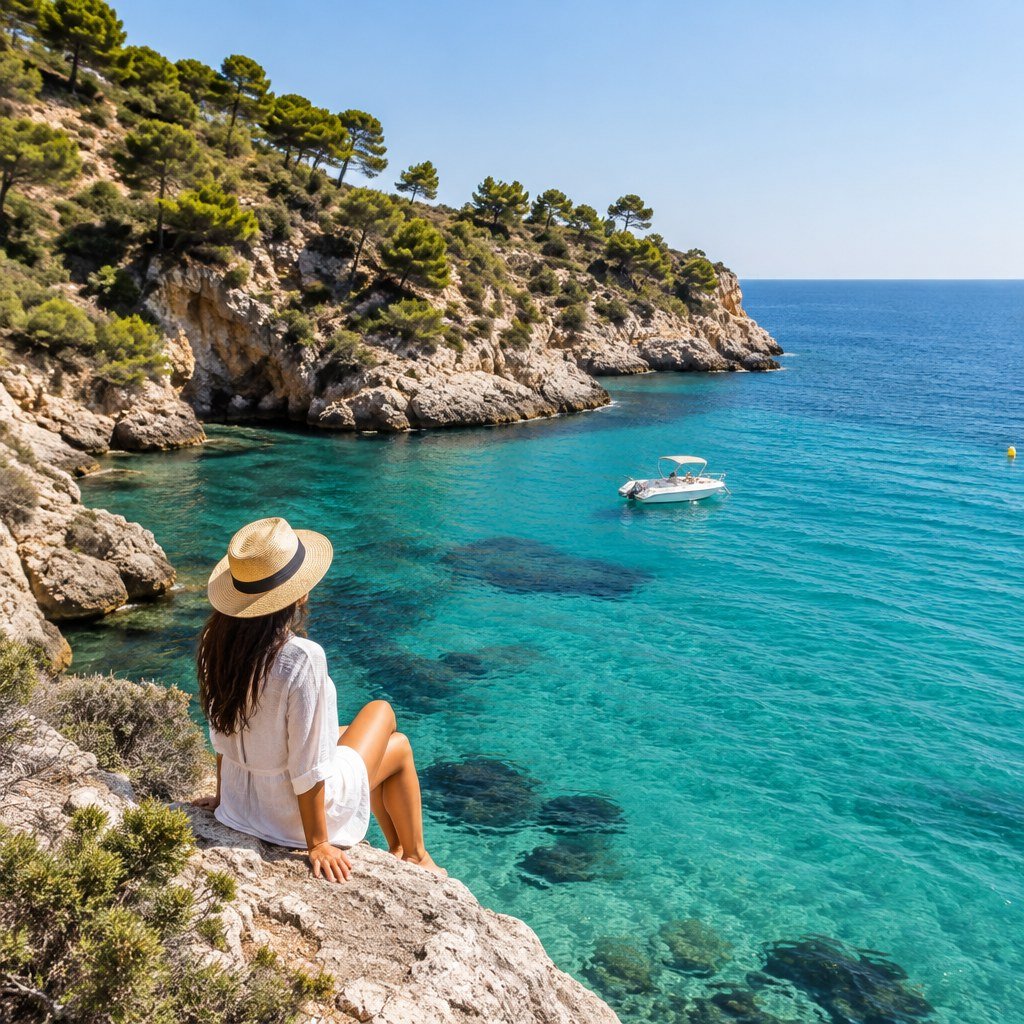
Best areas to stay in Mallorca on a budget
These bases are not ranked by luxury or nightlife. They are practical choices for travelers balancing accommodation cost, beach access, meals, and transport. Search broadly, then compare the total price after cleaning fees, breakfast, parking, and tourist tax.
Palma
Best for first visits, solo travelers, couples, and car-free trips. You pay for city convenience, but can reduce costs by staying outside the most central old-town streets.
Port d’Alcúdia
Best for families and beach time. The broad sand, shallow-water areas, self-catering options, and resort services make holiday logistics straightforward.
Sóller and Port de Sóller
Best for mountain views, hiking, and a slower atmosphere. It is memorable, but usually less convenient for island-wide exploring without a car.
Cala d’Or
Best for couples and relaxed cove swimming. It is attractive and compact, although buses are less flexible than from Palma.
Palma: the most flexible budget base
Palma works especially well if you want culture alongside a few beach days. The cathedral district, old lanes, food markets, waterfront, and major bus connections are reachable on foot or by local transport. Look around Santa Catalina’s edges, Es Fortí, Pere Garau, and residential streets beyond the headline sights rather than insisting on a cathedral-view room.
The drawback is that Palma is a city, not a resort. Its nearest beaches are useful but not Mallorca’s most dramatic. Still, it is the easiest answer to where to stay Mallorca without a car, particularly for a short trip or late-season visit.
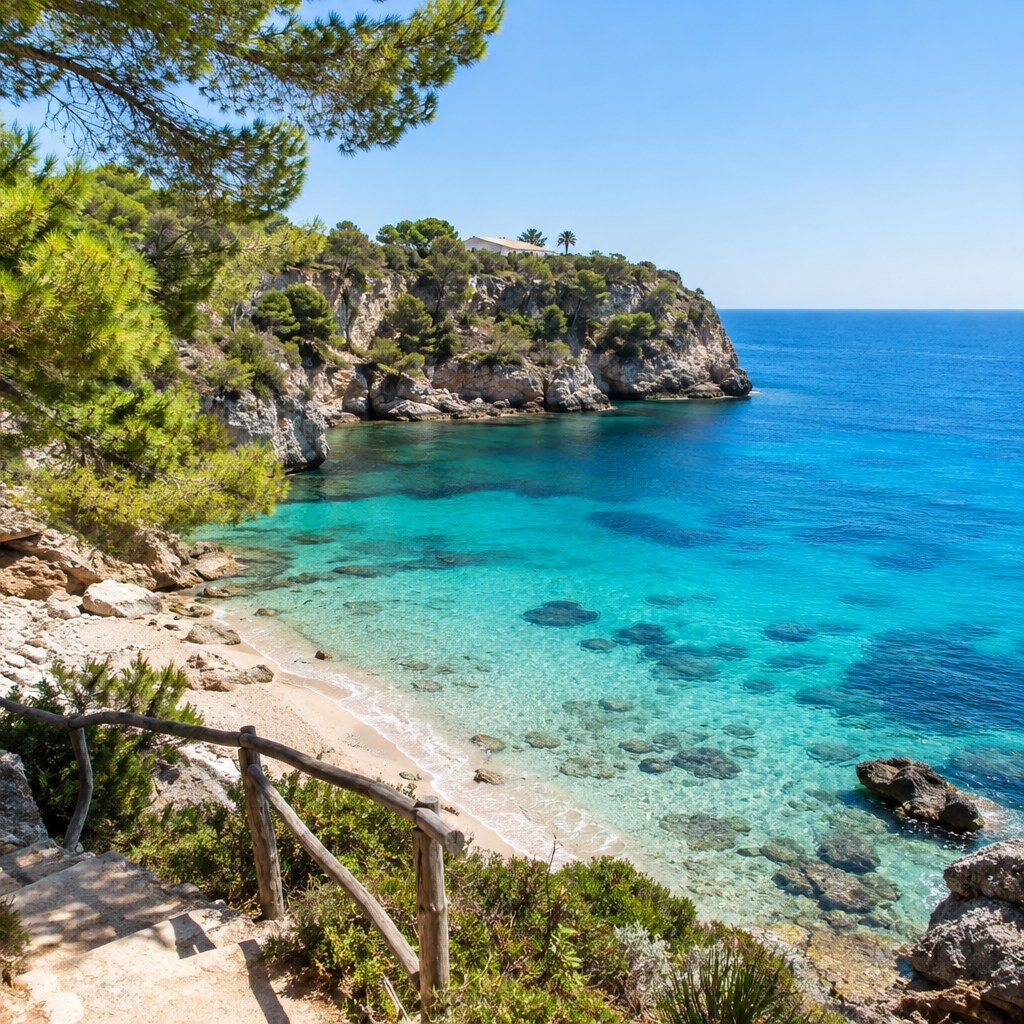
Can Pastilla and Peguera: useful alternatives
Can Pastilla sits near the airport and the long Playa de Palma shoreline. It can be a smart compromise for travelers wanting sea access, a flatter promenade, and easier airport logistics than a distant resort. Check aircraft noise, exact beach distance, and whether the property remains open outside summer.
Peguera, southwest of Palma, is another practical resort base with several beaches and bus access. It suits travelers who want a compact holiday town, but it is less compelling if historic Palma or northern beaches are your priority.
Palma vs Alcúdia: which is better?
Choose Palma if you value flexibility, architecture, restaurant choice, and public transport. Choose Port d’Alcúdia if your holiday centers on sand, swimming, family routines, and a resort-style stay. Neither is automatically cheaper: a low nightly rate far from the activities you want can create higher transport and meal costs.
Where Sóller and Cala d’Or fit
Sóller and Port de Sóller are worth the extra planning if the Serra de Tramuntana is your main reason for visiting. The historic train and tram are enjoyable experiences, but do not replace a broad island transport network. Accommodation near the port is often in demand, while Sóller town may offer different value and is linked to the port by tram or bus.
Cala d’Or has handsome, sheltered coves, whitewashed low-rise buildings, and a peaceful evening mood. It is excellent for a couple seeking a swim-and-dinner holiday. For extensive sightseeing, however, a rental car makes this southeast location substantially easier.
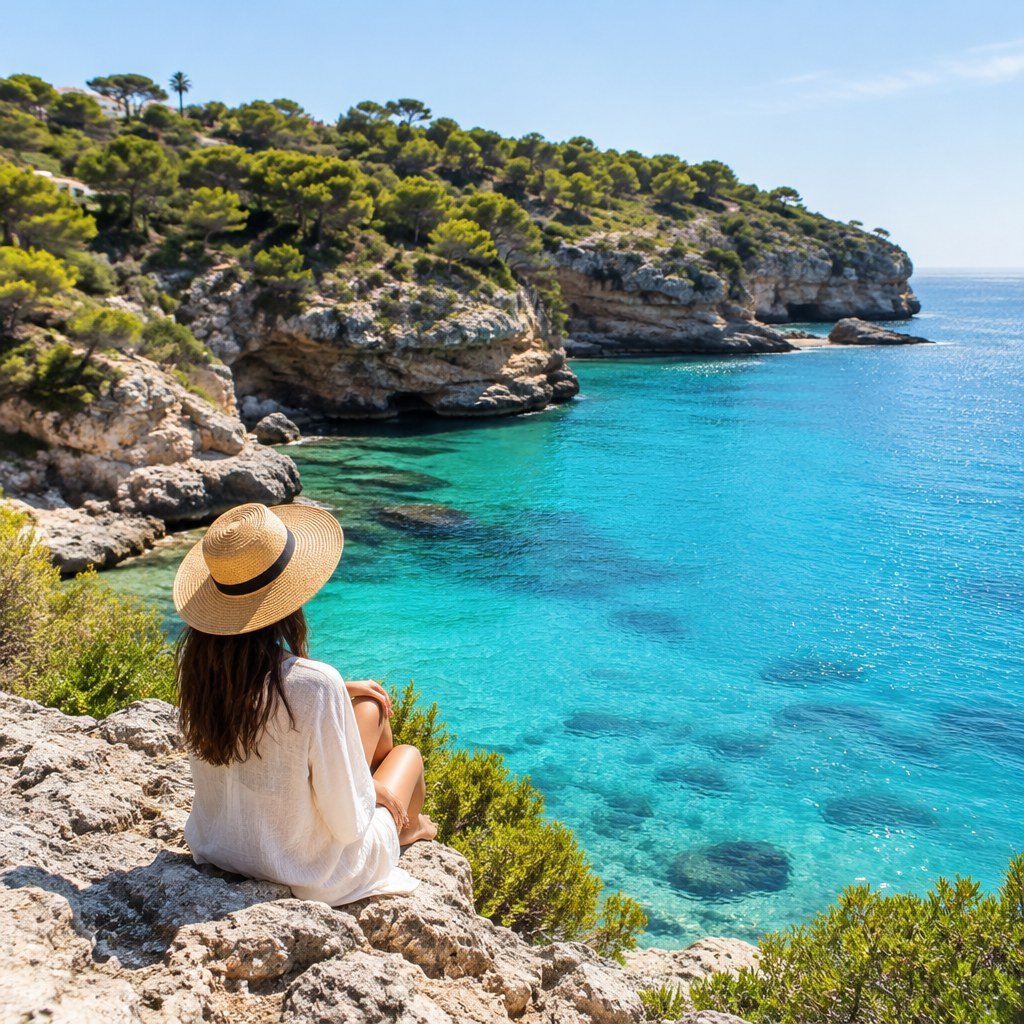
Transport, airport journeys, and car-free planning
Palma Airport is close to Palma and Can Pastilla, making both straightforward arrival bases. Direct airport buses and local services can change by season, route, and timetable, so confirm your journey shortly before departure. For intercity buses, use the official TIB journey planner; it is more reliable than relying on an old blog schedule.
From Palma, TIB buses reach many major towns, including northern and eastern resort areas. A single-base trip works best when you choose a cluster: Palma and nearby coast, Alcúdia and the north, or Sóller and the mountains. Trying to visit a different corner every day can turn a budget holiday into a series of long transfers.
A rental car can unlock smaller coves and rural villages, but calculate the full cost: daily hire, fuel, insurance choices, parking, and possible accommodation parking charges. Old-town Palma parking can be inconvenient and expensive, while narrow lanes around some resorts are stressful in peak season. For a car-free trip, avoid isolated villas and prioritize a genuine town center.
For destination ideas, seasonal opening information, and official inspiration, consult Mallorca’s official tourism website. Services, beach facilities, and excursion availability vary, especially outside the main summer months.
How to budget for Mallorca hotels and apartments
High summer brings the strongest demand, especially around school holidays. May, early June, late September, and October can offer a better balance of weather and value, though no savings are guaranteed. Late autumn and winter can be appealing in Palma and Sóller, but many seasonal resorts, restaurants, boat trips, and beach services may close or run reduced hours.
Mallorca accommodation also carries a tourist tax. The amount can vary by accommodation category, season, occupancy, and policy details, so do not assume it is included in the headline rate. Before paying, check the final booking screen for taxes, service charges, cleaning fees, breakfast, cancellation terms, and any parking supplement.
An illustrative five-night cost example
This is an illustrative example, not a current hotel quote, for two adults sharing a simple Palma guesthouse room in shoulder season: accommodation at €115 per night for five nights equals €575. Add an illustrative €35 tourist-tax allowance, €90 for airport and local buses, €250 for groceries and casual meals, and €100 for admissions or one paid activity. The estimated total is €1,050 for two people, or €525 each before flights.
Use the example to compare choices rather than predict your bill. An apartment can lower food costs, while a beach resort may reduce daily travel but raise the room rate. Learn how to compare stays in our guide to finding cheap accommodation, then build realistic totals with this travel budget planning guide.
When you are ready to compare availability, use filters for guest rating, free cancellation, kitchenette, and distance rather than sorting by price alone. You can browse options on Booking or Trip.com. Read recent reviews for noise, air conditioning, stairs, and the accuracy of beach-distance claims.
Two easy five-night Mallorca plans
Beach-first: base yourself in Port d’Alcúdia
Arrive and settle in on day one. Spend days two and three enjoying the beach and old Alcúdia, then use day four for a bus trip or paid excursion toward the north. Keep day five flexible for another swim, market browsing, or a relaxed lunch before departure. This plan minimizes hotel changes and suits families, friends, and travelers who want downtime.
Culture-first: base yourself in Palma
Use day one for the old town and waterfront. Visit La Seu, museums, markets, and neighborhoods over days two and three; take a nearby beach day on day four; then use day five for Sóller, a coastal walk, or a final city meal. Palma is ideal for solo travelers and couples who prefer choice over resort isolation.
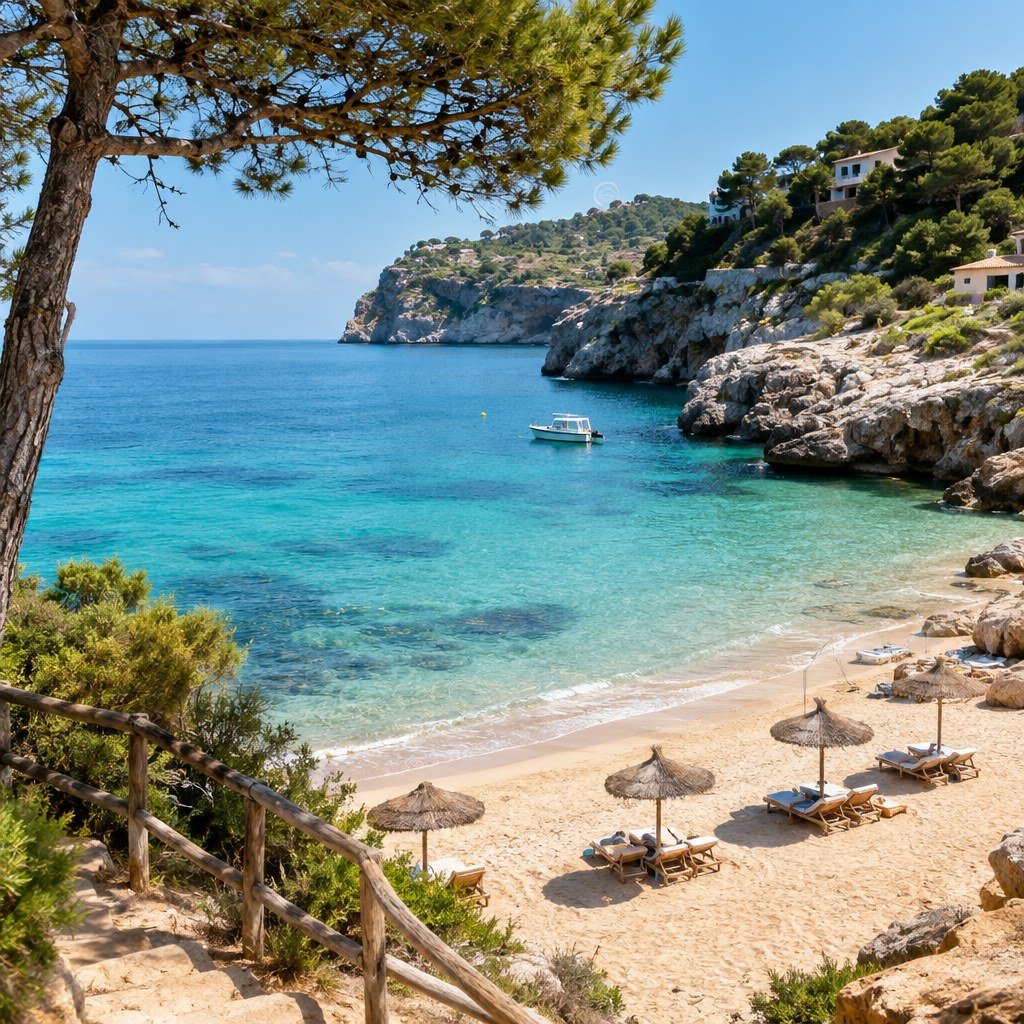
What to book before you go
- Accommodation with the exact neighborhood and walking distances checked.
- Airport transfer or first bus plan for a late arrival.
- Refundable rooms if your flights are not final.
- A car only for days when you will genuinely explore beyond bus routes.
- Popular restaurants, boat trips, or timed attractions during busy periods.
Pick the base that matches your trip
Choose Palma for transport and culture, Alcúdia for easy sand, or Cala d’Or and Sóller for a slower, scenery-led stay.
Frequently asked questions
What is the cheapest area to stay in Mallorca?
There is no permanently cheapest area. Palma’s outer central neighborhoods, Can Pastilla, and apartment-style resorts can offer good value, but dates matter more than a town’s reputation. Compare final totals and transport costs.
Is Palma a good base for beaches?
Yes, for a mixed city-and-beach trip. It is less ideal if you want to wake up beside Mallorca’s finest sandy bays every day. For that, Port d’Alcúdia or a suitable east-coast resort is usually more convenient.
Is Alcúdia better than Palma for families?
Often, yes. Port d’Alcúdia’s long beach, resort amenities, and self-catering choices make daily family logistics easier. Palma is better for older children, short breaks, and families who prefer museums and city dining.
Can I visit Mallorca without renting a car?
Absolutely. Palma is the simplest base, followed by major resort towns on established bus routes. Plan fewer regions, check TIB timetables, and accept that remote coves and rural villages are harder to reach.
When should I book Mallorca budget hotels?
For summer, start comparing early and book a flexible rate when it fits your budget. For shoulder season, monitor prices but still check availability around holidays and events. Always review cancellation rules before committing.