
Siem Reap can be affordable if you separate the temple pass from daily spending. For most travelers, a three-day visit works best as one town day, one full Small Circuit temple day, and either a Grand Circuit temple day or a lower-cost local experience. The official Angkor pass costs US$37 for one day or US$62 for three days, so buy the three-day pass only if you genuinely plan to visit temples on multiple days.
This Siem Reap 3 day itinerary prioritizes Angkor Wat, Bayon, and Ta Prohm without rushing, while leaving room for markets, Khmer food, and sensible transport choices. Budget travelers can keep costs controlled by booking accommodation near Old Market or Wat Bo, sharing a tuk-tuk, carrying water, and agreeing on transport prices before departure.

Angkor Wat ticket costs: choose the pass you will actually use
Angkor Enterprise sets admission prices for the Angkor Archaeological Park. At the time of writing, an official one-day pass is US$37, a three-day pass is US$62, and a seven-day pass is US$72. The three-day pass can be used on any three days within a seven-day window; the seven-day pass can be used on seven days within thirty days.
If you only want one temple day, the one-day ticket is enough. Do not automatically upgrade because a three-day itinerary sounds like three temple days. The extra US$25 is worthwhile only when Day Three includes the Grand Circuit or another temple outing.
Check the Angkor Enterprise information and timetable before setting off. Temple access, routes, and opening hours can change, and no itinerary can guarantee that every site will be open on your chosen date.
A budget-friendly Siem Reap 3 day itinerary
Day 1: settle into Siem Reap and plan tomorrow
Use your arrival day for town rather than burning a temple pass. Walk around Old Market, browse the riverside area, compare transport offers, and eat at a busy local food stall. If the heat is intense, visit a museum or choose an indoor Khmer cooking class. This is also the time to confirm your driver’s start time, route, total price, waiting hours, and any sunrise surcharge.
Keep Day One deliberately flexible. It provides a buffer for delayed flights, rain, laundry, cash withdrawals, and adjusting to the tropical climate. Travelers building a wider Southeast Asia trip can also use this evening to review a realistic travel budget before committing to tours.
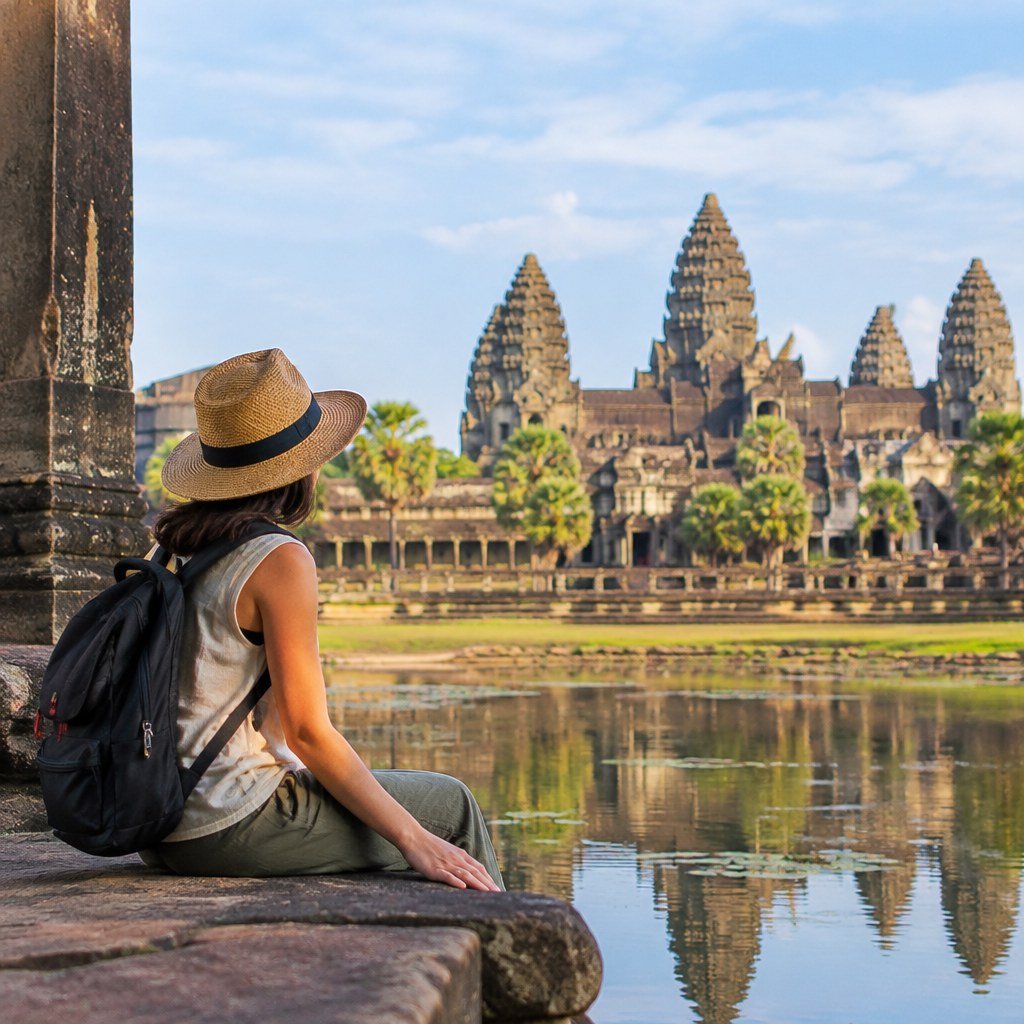
Day 2: Small Circuit—Angkor Wat, Bayon, and Ta Prohm
Start early for Angkor Wat, especially if sunrise matters to you. Sunrise is popular rather than private, but cooler temperatures and changing light make the early alarm worthwhile. Afterward, explore the main temple before moving to Angkor Thom and Bayon. Pause for breakfast or an early lunch before continuing to Ta Prohm, where roots and stone walls create one of the park’s most memorable scenes.
This is a long day. A tuk-tuk is a practical budget option for two to four people, while a bicycle suits only confident riders comfortable with heat, distance, and traffic. Avoid trying to add every Small Circuit stop; leaving time to rest means you will appreciate the major temples more.
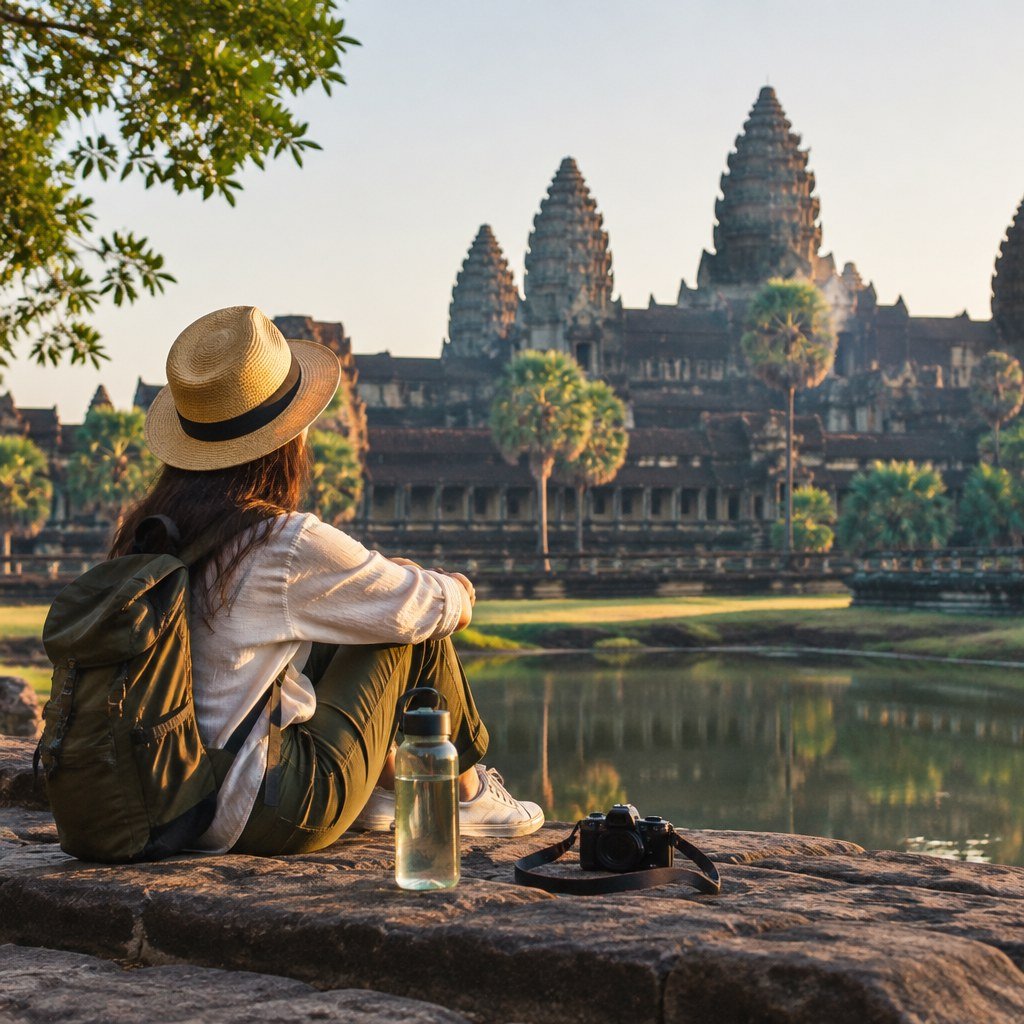
Day 3 option A: Grand Circuit with a three-day pass
If you bought the three-day pass, take the Grand Circuit at a slower pace. Preah Khan is a strong first stop, followed by Neak Pean, Ta Som, East Mebon, and Pre Rup if time and energy allow. These temples feel less compressed than the Small Circuit, but they still require water, sun protection, and realistic expectations about walking.
Day 3 option B: no temple pass, more Siem Reap
With a one-day pass, spend Day Three in town instead. Book a Khmer cooking class, visit cafés and markets, enjoy an inexpensive massage if it fits your budget, or join a guided food walk. This option usually costs less than adding a second temple day because it avoids the US$25 difference between the one-day and three-day passes.
What a budget Siem Reap trip can cost
Daily prices change by season, room type, and negotiation, so treat the following as an illustrative planning framework rather than a fixed quote. Your temple pass is the biggest non-negotiable item; accommodation, meals, and transport are where travelers have the most control.
- Temple admission: US$37 for one day or US$62 for three days.
- Accommodation: A hostel bed or simple guesthouse room is generally cheaper than a resort-style property near the center.
- Meals: Street food, local eateries, refillable water, and a modest breakfast help keep daily spending steady.
- Transport: A shared tuk-tuk cost is usually better value than separate rides for each person.
- Extras: Include cash for tips, drinks, laundry, massages, classes, and airport transfers.
For tuk-tuks, ask for one clear total covering the route and driver hours, not a vague “cheap price.” Confirm whether sunrise pickup costs extra, whether the price is per vehicle or per person, and whether the driver waits while you explore. Split among friends, a full-day vehicle can be more economical than joining multiple group tours.
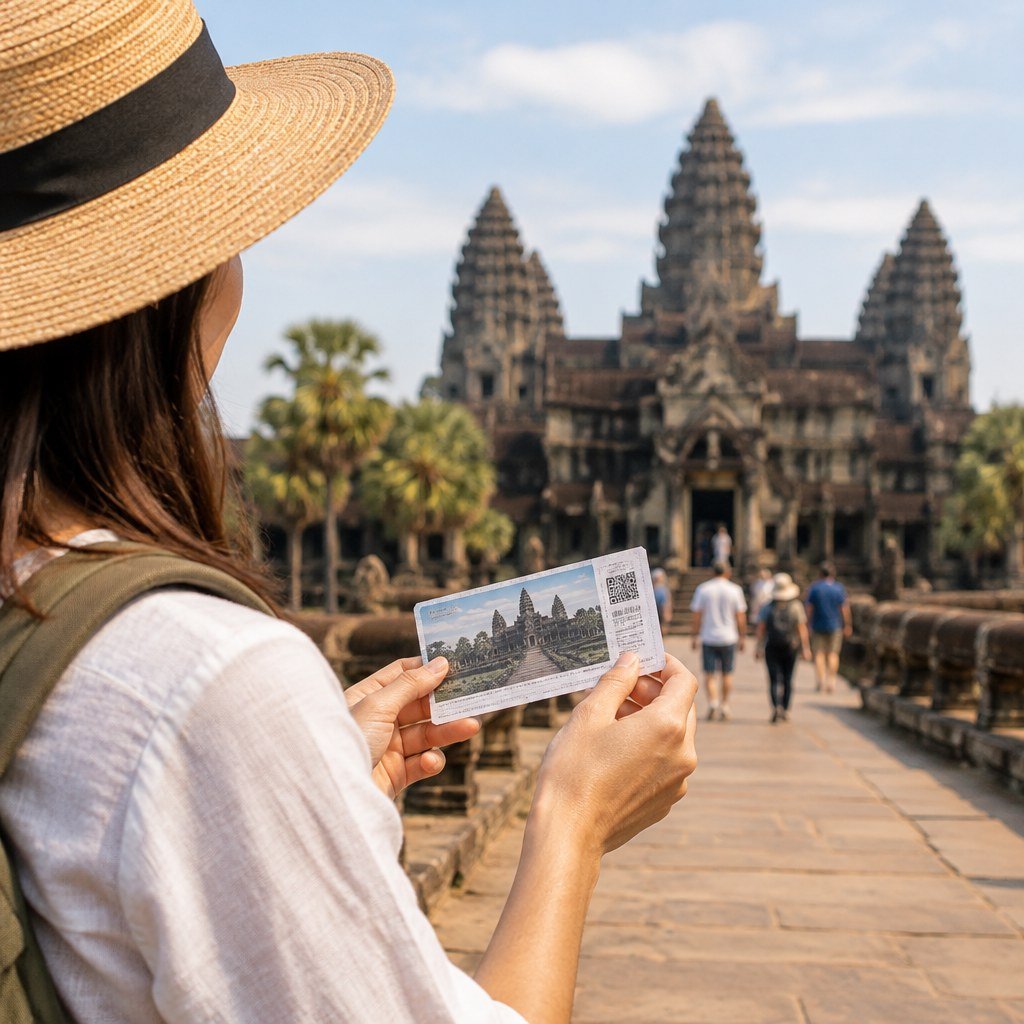
Guided Angkor Wat tours can make sense for solo travelers who want transport and historical context bundled together. Compare inclusions carefully, and remember that a tour booking is not permission to buy admission from an unauthorized seller.
Where to stay in Siem Reap on a budget
Old French Quarter and Old Market are the most convenient choices for first-time visitors. You can walk to food stalls, cafés, convenience stores, and evening activity, reducing short tuk-tuk rides. The trade-off is noise, especially near late-night streets, so check recent reviews for room location and soundproofing.
Wat Bo is a useful middle ground: close enough to walk or take a short ride into the center, but often calmer after dark. Airport Road can suit travelers who prefer quieter hotels and more space, though it is less convenient for spontaneous evening meals. For help comparing room types and booking tactics, see this guide to finding cheap accommodation.
Use reputable platforms to compare current rates and cancellation terms, including Booking.com accommodation in Siem Reap and Trip.com hotel listings. Prioritize air conditioning if visiting in hotter months, then weigh breakfast, walkability, and recent cleanliness comments against the headline room rate.
Temple etiquette, weather, and safety essentials
Angkor is an active sacred landscape, not simply an outdoor museum. Cover shoulders and knees for temple entry, wear shoes with grip, and avoid climbing on fragile structures or stepping beyond barriers. Bring a reusable bottle, sunscreen, a hat, insect repellent, and a lightweight rain layer during wetter periods.
Stay on marked paths. Cambodia has areas affected by unexploded ordnance, and visitors should never wander off-trail or into closed land. The U.S. Department of State’s Cambodia travel advisory, issued September 15, 2026, advises Level 2 increased caution overall and Level 4 Do Not Travel within 50 kilometers of the Cambodia–Thailand border. Siem Reap itineraries do not need border side trips.
A simple booking checklist
- Decide whether one temple day or two truly fits your interests.
- Buy only the correct official Angkor pass.
- Reserve a central room with a cancellation policy you understand.
- Negotiate your tuk-tuk route, duration, and total price in advance.
- Check the official timetable again the evening before temple day.
- Pack respectful clothing, cash, water, and weather protection.
Frequently asked questions
Is three days enough for Siem Reap?
Yes. Three days is enough for one excellent Angkor day, a relaxed town day, and either a second temple circuit or a local food and culture day. It is not enough to see every temple, which is why choosing priorities matters.
Should I buy the Angkor Wat three-day pass?
Buy it if you plan to enter the archaeological park on at least two separate days. If you only want Angkor Wat, Bayon, and Ta Prohm in one intensive visit, the one-day pass is the better-value choice.
Can I visit Angkor Wat without a tour?
Yes. Independent visitors can buy an official pass and hire a tuk-tuk or bicycle. A guide adds historical interpretation, but it is optional. Confirm access conditions and temple hours through official Angkor Enterprise information before visiting.
What is the cheapest area to stay in Siem Reap?
Simple hostels and guesthouses around Old Market, Old French Quarter, and Wat Bo are often convenient for budget travelers. Compare final prices, taxes, air conditioning, and walking distance rather than choosing solely by the lowest nightly figure.
Is Siem Reap suitable during the rainy season?
Yes, provided you expect heavy showers, muddy paths, humidity, and occasional itinerary changes. Mornings can still be productive. Leave time between stops, protect electronics, and avoid assuming every temple or route will operate normally.
Plan simply, then leave room to explore
Book a flexible room, choose the pass that matches your actual plans, and confirm temple logistics directly with Angkor Enterprise.
Siem Reap rewards travelers who plan the essentials without over-scheduling every hour. Reserve accommodation in a convenient neighborhood, use authorized admission channels, and choose a one-day or three-day pass honestly. That approach keeps more money available for food, local transport, and memorable time among Cambodia’s remarkable temples.