
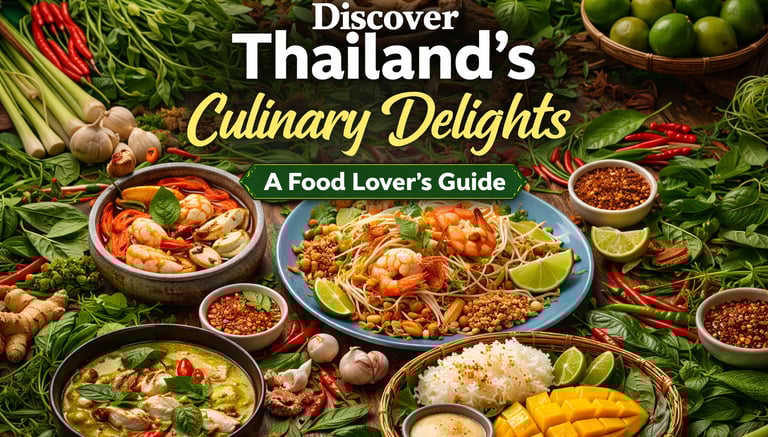
Discover Thailand’s Culinary Delights: Food Lover’s Guide
Explore Thailand’s bold flavors, must-try street food, regional dishes, and local markets—your ultimate food lover’s guide to eating well.
ASIAFOR FOODIES
Jason A Ellis
12/26/202512 min read
Discover Thailand's Culinary Delights: A Food Lover's Guide
Embark on a tantalizing journey through Thailand's culinary landscape, where vibrant flavors and textures come alive—perfect for every food lover.

About the Author
Hi, I’m Jason—an avid traveler with a passion for discovering new places, cultures, and perspectives. Born and raised in the United States, I now call the Philippines home as I continue to explore the world, one destination at a time. My travel journey has taken me across vibrant cities and serene landscapes in places like Singapore, Hong Kong, Japan, Okinawa, Canada, and Mexico (to name a few). Through this blog, I share real-world travel insights, budget tips, and stories to help you explore smarter and deeper—no matter where your passport takes you.
Like This? You Might Also Love:
Table of Contents
Introduction: A Food Lover’s Journey Through Thailand
Key Ingredients of Thai Cooking
The 5 Flavor Balance: Sweet, Sour, Salty, Bitter, Spicy
Essential Herbs, Aromatics, and Sauces
Rice, Noodles, and Everyday Staples
Popular Thai Dishes You Must Try
Pad Thai
Tom Yum Goong
Green Curry (Gaeng Keow Wan)
Som Tum (Green Papaya Salad)
Mango Sticky Rice
Regional Variations in Thai Food
Northern Thailand: Comforting, Herb-Forward Flavors
Isaan (Northeast): Spicy, Sour, Bold
Southern Thailand: Heat, Coconut, and Seafood
Street Food: A Culinary Adventure
Must-Try Street Food Favorites
Sweet Treats You’ll Spot Everywhere
Quick Tips for Eating Street Food Like a Local
Dining Etiquette in Thailand
How Meals Are Shared
Fork-and-Spoon Basics
Simple Cultural Do’s and Don’ts
Cooking Classes: Learn to Make Thai Dishes
What to Expect (Markets, Prep, Cooking)
Best Dishes to Learn First
Best Restaurants in Thailand for Authentic Cuisine
Bangkok Highlights
Chiang Mai Favorites
Legendary Street Food Spots
Food Festivals and Events in Thailand
Bangkok Street Food Festival
Chiang Mai Food Festival
Hua Hin Food Festival
Conclusion: Embrace the Flavors of Thailand
FAQ: Thailand Food Tips for First-Time Visitors
Key Ingredients of Thai Cooking
The cornerstone of Thai cuisine lies in its unique and vibrant ingredients that contribute to the harmony of flavors in every dish. Thai food is characterized by its balance of five fundamental tastes: sweet, sour, salty, bitter, and spicy. To achieve this balance, Thai chefs rely heavily on a variety of ingredients that are both locally sourced and distinctively flavorful. Some of the key ingredients include lemongrass, which imparts a citrusy aroma and flavor, and galangal, a root similar to ginger but with a sharper, more peppery taste.
Chilies, both fresh and dried, are essential to Thai cooking, providing the heat that is a signature of many dishes. The bird's eye chili, in particular, is favored for its intense spiciness. Thai basil, with its anise-like fragrance, is another herb that is frequently used, especially in stir-fries and soups. Kaffir lime leaves and Thai lime juice are also pivotal, adding a zesty and tangy dimension that freshens up the palate. These ingredients, when combined, create the layers of flavors that make Thai cuisine so unique and irresistible.
Fish sauce is another indispensable ingredient in Thai cooking, contributing a deep umami flavor that enhances the overall taste of a dish. Made from fermented fish, it's used in everything from soups to salad dressings. Coconut milk is equally important, featured prominently in curries and desserts, lending a creamy richness that balances the heat from the chilies. Tamarind paste, with its sweet and sour notes, is often used to add complexity to sauces and marinades. These ingredients, when artfully combined, create the symphony of flavors that define Thai cuisine.
Rice and noodles are staples in Thai cuisine, serving as the foundation upon which many dishes are built. Jasmine rice, with its fragrant aroma, is the go-to variety for most meals. Sticky rice, on the other hand, is preferred in the northern and northeastern regions and is often paired with grilled meats and spicy dips. Rice noodles are commonly used in soups and stir-fries, such as the famous Pad Thai. Additionally, fresh herbs like cilantro and mint, and vegetables like eggplant and bamboo shoots, are frequently used to add freshness and texture to dishes. Together, these ingredients form the essence of Thai cooking, creating dishes that are as nourishing as they are delicious.
Popular Thai Dishes You Must Try
When exploring Thai cuisine, there are certain dishes that simply cannot be missed. The quintessential Pad Thai is a must-try, featuring stir-fried rice noodles with shrimp or chicken, tofu, eggs, and bean sprouts, all seasoned with tamarind paste, fish sauce, and palm sugar. It's typically garnished with crushed peanuts and lime wedges, providing a delightful mix of textures and flavors. Another iconic dish is Tom Yum Goong, a hot and sour soup with shrimp, lemongrass, galangal, kaffir lime leaves, and chilies, creating a bold and aromatic broth that excites the senses.
Green Curry, or Gaeng Keow Wan, is another favorite, known for its vibrant green color and rich, creamy texture. Made with green curry paste, coconut milk, Thai basil, and a variety of vegetables and meats, it offers a harmonious blend of spicy, sweet, and savory flavors. Som Tum, or Green Papaya Salad, is a refreshing and spicy salad made with shredded green papaya, tomatoes, green beans, peanuts, and chilies, all tossed in a tangy dressing of lime juice, fish sauce, and palm sugar. This dish is particularly popular in the northeastern region of Thailand.
For those with a sweet tooth, Mango Sticky Rice is a beloved dessert that perfectly captures the essence of Thai flavors. Ripe, juicy mango slices are paired with sticky rice cooked in coconut milk, and often drizzled with a sweet coconut sauce. The combination of the creamy, sweet rice and the fresh, slightly tart mango creates a delightful contrast that is both satisfying and refreshing. These dishes represent just a small sampling of the incredible variety and depth of Thai cuisine, each offering a unique and unforgettable culinary experience.
Regional Variations in Thai Food
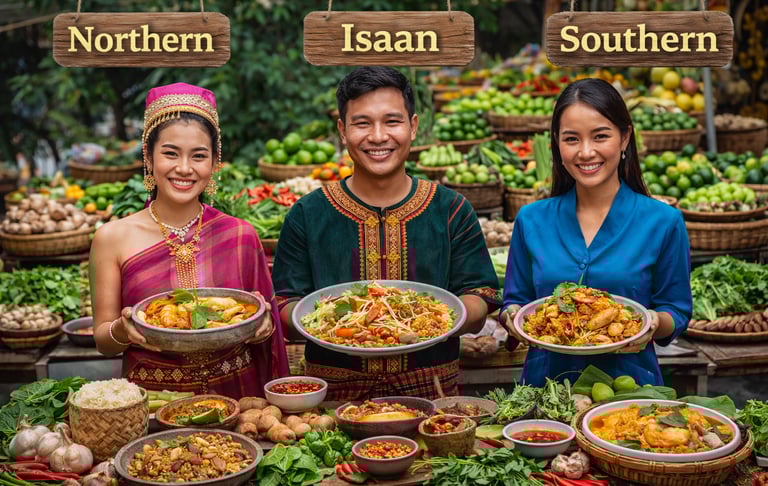
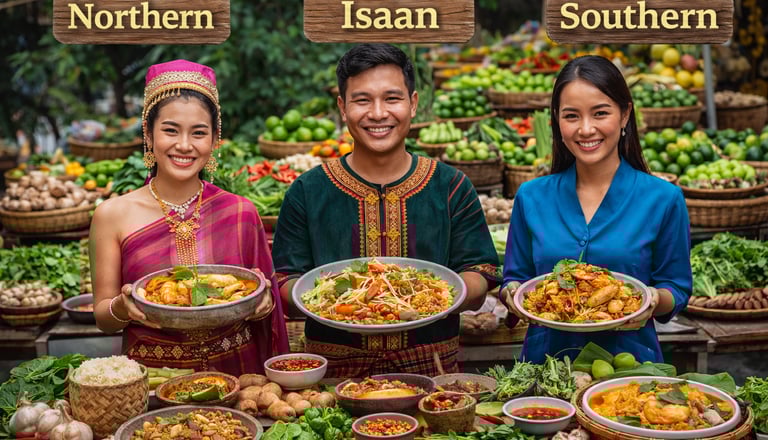
Thailand's diverse geography and cultural influences have given rise to distinct regional variations in its cuisine. Each region has its own unique dishes and flavors, reflecting the local ingredients and culinary traditions. In the north, the cuisine is characterized by milder, herbaceous flavors and the use of sticky rice as a staple. Northern Thai dishes often feature ingredients like ginger, turmeric, and lemongrass, and are less spicy compared to other regions. A popular dish from this region is Khao Soi, a rich and creamy coconut curry noodle soup with chicken or beef, garnished with pickled mustard greens, shallots, and lime.
In the northeastern region, known as Isaan, the food is known for its bold, spicy, and sour flavors. Sticky rice is also a staple here, often served with grilled meats and spicy dips. Som Tum, the famous Green Papaya Salad, originates from this region, as does Larb, a spicy minced meat salad with fresh herbs, lime juice, and ground roasted rice. The cuisine of Isaan is heavily influenced by neighboring Laos, resulting in dishes that are distinctively different from those found in other parts of Thailand.
Southern Thai cuisine, on the other hand, is known for its intense heat and the liberal use of fresh herbs and spices. The region's proximity to the sea means that seafood is a prominent feature in many dishes. Southern curries, such as Gaeng Som, a sour and spicy curry made with fish and vegetables, are particularly fiery and aromatic. Coconut milk is used extensively in southern cooking, providing a creamy counterbalance to the spiciness. These regional variations add to the richness and diversity of Thai cuisine, offering food lovers a myriad of flavors and experiences to explore.
Street Food: A Culinary Adventure
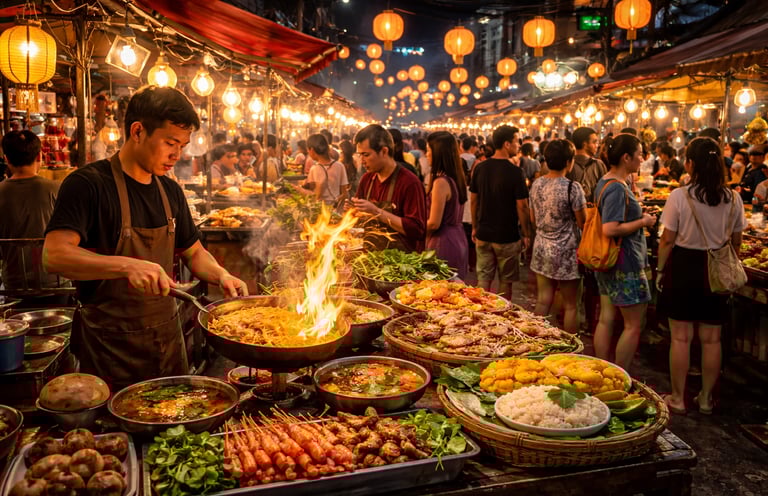
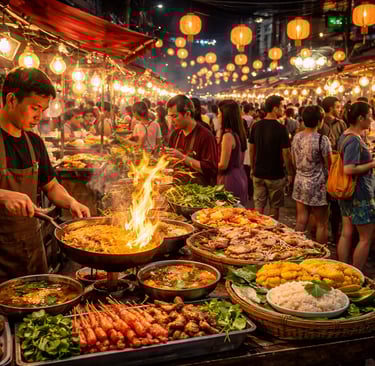
No visit to Thailand would be complete without experiencing its vibrant street food scene. The streets of Bangkok, Chiang Mai, and other cities come alive with food stalls and vendors offering an incredible array of dishes, each more tempting than the last. Street food is an integral part of Thai culture, providing quick, affordable, and delicious meals to locals and tourists alike. One of the most popular street food dishes is Pad Kra Pao, a spicy stir-fry with minced meat, Thai basil, chilies, and garlic, typically served over rice with a fried egg on top.
Satay, skewers of marinated and grilled meat served with peanut sauce and cucumber relish, is another street food favorite. These flavorful skewers are perfect for on-the-go snacking and are often enjoyed with a side of sticky rice. For something more adventurous, try Moo Ping, grilled pork skewers marinated in a sweet and savory sauce, or Sai Oua, northern Thai sausage made with ground pork, herbs, and spices. The bustling street food markets are a feast for the senses, offering a kaleidoscope of colors, aromas, and flavors that capture the essence of Thai cuisine.
Sweet treats are also abundant in Thai street food culture. Khanom Buang, or Thai crepes, are a popular dessert made with thin, crispy pancakes filled with sweet or savory toppings like coconut cream, shredded coconut, and egg yolk threads. Mango Sticky Rice, mentioned earlier, is also a common sight at street food stalls, providing a refreshing and satisfying way to end a meal. The variety and quality of street food in Thailand are unparalleled, making it a must-try experience for any food enthusiast.
Dining Etiquette in Thailand
When dining in Thailand, it's important to be aware of the local customs and etiquette to ensure a respectful and enjoyable experience. Thai people place great emphasis on politeness and respect, and this extends to their dining practices. One of the most important aspects of Thai dining etiquette is the concept of "sanuk," which means to have fun. Meals are often seen as a social occasion, and sharing food with friends and family is a common practice. It's customary to order several dishes to be shared among the group, rather than individual portions.
When eating, Thais typically use a fork and spoon rather than chopsticks. The spoon is held in the right hand and is used to eat, while the fork is used to push food onto the spoon. Chopsticks are generally reserved for noodle dishes. It's also considered polite to take small portions of food at a time, rather than piling your plate high. This allows everyone to try a bit of each dish and ensures that nothing goes to waste. Additionally, it's customary to wait for the host or the eldest person at the table to start eating before you begin.
In Thai culture, it's important to show appreciation for the food and the effort that went into preparing it. Compliments to the cook are always welcome, and it's considered polite to finish everything on your plate as a sign of respect. However, it's also important not to waste food, so take only what you can eat. When dining out, it's common for the host to pay the bill, but offering to contribute is always appreciated. By following these simple guidelines, you can enjoy a delicious meal while showing respect for Thai customs and traditions.
Cooking Classes: Learn to Make Thai Dishes
For those who want to delve deeper into the world of Thai cuisine, taking a cooking class is an excellent way to learn the secrets behind the country's most beloved dishes. Cooking classes are available in many cities throughout Thailand, and they offer a hands-on experience that allows you to master the techniques and flavors of Thai cooking. Many classes begin with a visit to a local market, where you'll learn about the key ingredients and how to select the freshest produce and spices. This immersive experience provides valuable insights into the foundation of Thai cuisine.
During the class, you'll be guided by experienced chefs who will teach you how to prepare a variety of dishes, from appetizers to desserts. You'll learn how to make classic dishes like Pad Thai, Green Curry, and Tom Yum Goong, as well as lesser-known regional specialties. The chefs will share tips and tricks for achieving the perfect balance of flavors, and you'll have the opportunity to practice your knife skills, stir-frying techniques, and more. By the end of the class, you'll have a deeper understanding of Thai cooking and the confidence to recreate these dishes at home.
Taking a cooking class is not only a fun and educational experience, but it also provides a deeper appreciation for the complexity and artistry of Thai cuisine. You'll gain a newfound respect for the skill and effort that goes into each dish, and you'll leave with a wealth of knowledge and recipes to share with friends and family. Whether you're a seasoned cook or a complete beginner, a Thai cooking class is a rewarding way to immerse yourself in the culture and flavors of Thailand.
Best Restaurants in Thailand for Authentic Cuisine
Thailand is home to a plethora of restaurants that offer authentic and delicious Thai cuisine, each with its own unique charm and specialties. In Bangkok, one of the most renowned restaurants is Nahm, helmed by Chef Pim Techamuanvivit. Nahm is celebrated for its contemporary take on traditional Thai dishes, with a focus on using high-quality, locally sourced ingredients. The restaurant's tasting menu is a culinary journey through the diverse flavors and textures of Thai cuisine, featuring dishes like rich and aromatic curries, vibrant salads, and delicate seafood.
Another must-visit restaurant in Bangkok is Somtum Der, which specializes in Isaan cuisine. The restaurant is famous for its Som Tum, or Green Papaya Salad, which comes in various versions ranging from mildly spicy to fiery hot. The menu also includes other Isaan favorites like Larb and grilled meats, all prepared with authentic flavors and ingredients. For a more casual dining experience, head to Jay Fai, a legendary street food stall that has earned a Michelin star for its exceptional dishes. Jay Fai is best known for its crab omelet, a generously filled and perfectly cooked omelet that is a hit with locals and tourists alike.
In Chiang Mai, Khao Soi Khun Yai is a popular spot for experiencing the northern Thai specialty, Khao Soi. This humble eatery serves up a delicious and comforting bowl of coconut curry noodle soup, topped with crispy noodles and your choice of meat. The rich and flavorful broth, combined with the tender noodles and crunchy toppings, makes for an unforgettable meal. If you're looking for a fine dining experience in Chiang Mai, The Service 1921 Restaurant and Bar offers a unique blend of Thai, Chinese, and Vietnamese cuisine in a luxurious setting. The restaurant's innovative dishes and elegant ambiance make it a top choice for a special night out.
Food Festivals and Events in Thailand
Thailand's rich culinary heritage is celebrated through various food festivals and events held throughout the year. These festivals provide an opportunity to experience the diversity and vibrancy of Thai cuisine in a lively and festive atmosphere. One of the most popular food festivals is the Bangkok Street Food Festival, which takes place annually and showcases the best of the city's street food. The festival features a wide array of food stalls offering everything from savory snacks to sweet treats, as well as live cooking demonstrations and cultural performances.
Another notable event is the Chiang Mai Food Festival, which highlights the unique flavors and dishes of northern Thai cuisine. Held in the scenic setting of the city's ancient temples and bustling markets, the festival offers visitors a chance to sample specialties like Khao Soi, Sai Oua, and other regional favorites. The event also includes cooking competitions, workshops, and cultural activities that celebrate the culinary traditions of the region. The Chiang Mai Food Festival is a must-visit for anyone looking to explore the rich and diverse flavors of northern Thailand.
For seafood lovers, the Hua Hin Food Festival is an annual event that showcases the best of the region's seafood dishes. Held in the coastal town of Hua Hin, the festival features a variety of seafood stalls offering everything from grilled prawns to spicy seafood salads. The event also includes live music, dance performances, and cooking demonstrations by renowned chefs. The Hua Hin Food Festival is a great way to experience the fresh and delicious seafood that Thailand is known for, all while enjoying the beautiful seaside setting.
Conclusion: Embrace the Flavors of Thailand
Thailand's culinary delights are a testament to the country's rich cultural heritage and diverse regional influences. From the bustling street food markets to the elegant fine dining restaurants, Thai cuisine offers a tantalizing array of flavors, textures, and aromas that are sure to captivate any food lover. Whether you're exploring the vibrant dishes of Bangkok, savoring the unique flavors of northern Thailand, or indulging in the spicy and aromatic cuisine of the south, there's always something new and exciting to discover.
By understanding the key ingredients, popular dishes, and regional variations, you can gain a deeper appreciation for the complexity and artistry of Thai food. Embracing the local dining etiquette and participating in cooking classes can further enhance your culinary journey, allowing you to experience the true essence of Thai cuisine. Visiting the best restaurants and attending food festivals are also great ways to immerse yourself in the rich culinary culture of Thailand.
As you embark on this gastronomic adventure, let your taste buds be your guide and embrace the vibrant and diverse flavors that make Thai cuisine so special. Whether you're a seasoned foodie or a curious traveler, the culinary treasures of Thailand are sure to leave a lasting impression and inspire a lifelong love for this extraordinary cuisine. So, pack your bags, bring your appetite, and get ready to discover the culinary delights of Thailand – a food lover's paradise.
About Budget Trips Guide
BudgetTripsGuide.com is your trusted resource for smart, affordable travel. We specialize in practical budget travel tips, low-cost destination guides, and insider hacks to help you explore the world without overspending. Whether you're a solo traveler, digital nomad, or first-time backpacker, our goal is to make cheap travel easy, safe, and unforgettable. Discover the best value travel insurance, cheap flights, and affordable accommodation options—all in one place.
GET FREE TIPS SEND DIRECTLY TO YOU
© 2025. All rights reserved.
Contact Us: team@budgettripsguide.com