
Rome best areas to stay on a budget: quick answer
For most first-time visitors, the Rome best areas to stay on a budget are Termini for transport and late arrivals, Monti for a central, characterful base, Prati for calmer streets near the Vatican, and Testaccio for food and a more local feel. Trastevere can also work well, but its nightlife, limited metro access, and demand can make it less consistently cheap.
The smartest choice is not always the lowest nightly rate. A room far outside central Rome may require extra transport, longer walks, and late-night taxis, erasing the savings. Compare the complete cost: accommodation, transit, tourist tax, convenience, and the time you want to spend sightseeing rather than commuting.
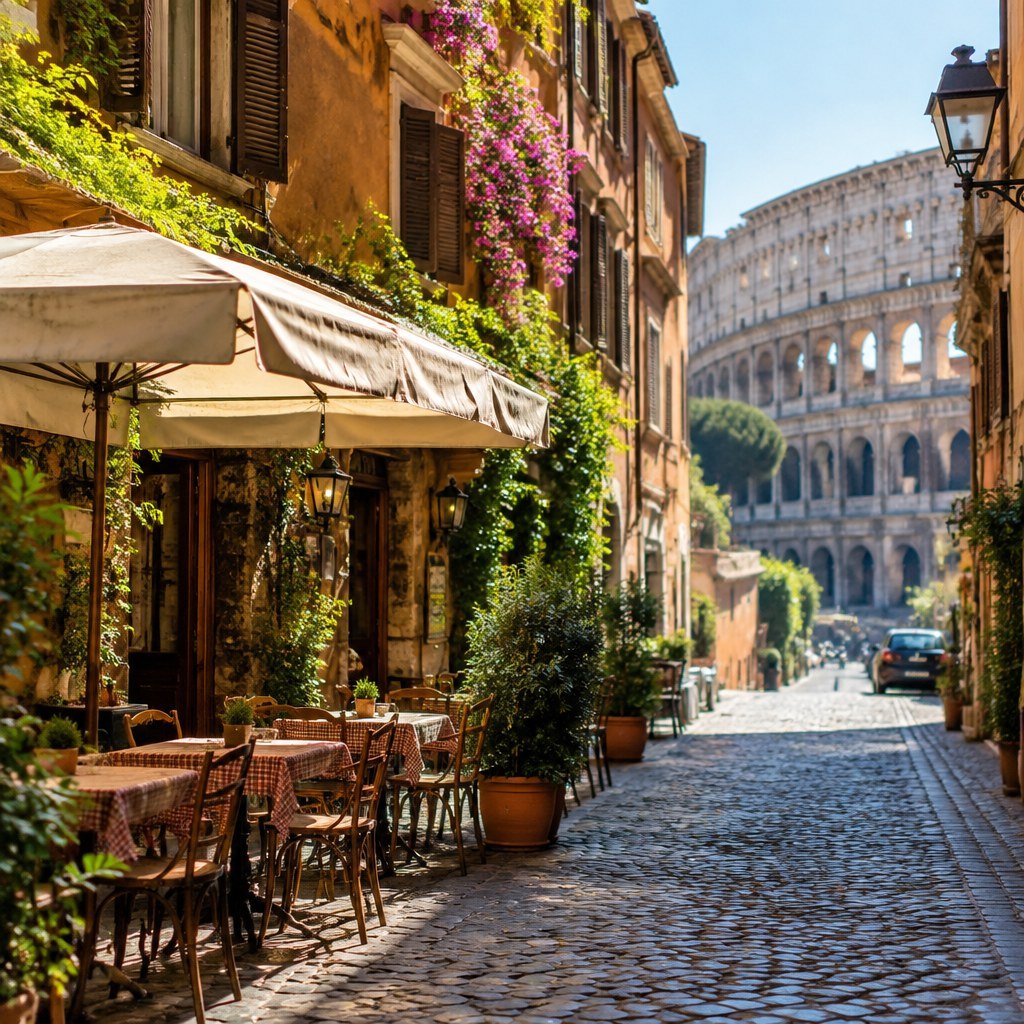
Compare Rome hotel neighborhoods before booking
Rome is compact enough for rewarding walks, but cobblestones, summer heat, luggage, and uneven transit can change what “central” feels like. Use this overview to match your trip style to a neighborhood rather than chasing a vague bargain.
Termini: best for transport, short stays, and late arrivals
Termini is often the practical answer to where to stay Rome on a budget. Roma Termini is the city’s main rail hub, with regional trains, airport connections, Metro A and B, buses, shops, and plentiful accommodation. That network is especially useful if you arrive late, leave early, or plan day trips.
It is not a picture-perfect neighborhood, and the immediate station area is busy. Still, “Termini dangerous” is too simplistic. Like any major transport hub, it requires ordinary city awareness: use well-lit routes after dark, keep phones and wallets secure in crowds, ignore distraction scams, and confirm your hotel entrance before arrival. Streets toward Castro Pretorio or the Opera area may feel calmer than the busiest blocks directly beside the station.
Termini’s biggest budget advantage is reduced friction. You can reach the Colosseum area on Metro B, use Line A toward the Spanish Steps and Vatican side, or walk to several central sights if you enjoy a longer stroll. For solo travelers, couples on a packed itinerary, and anyone carrying luggage, that convenience can outweigh the lack of neighborhood charm.
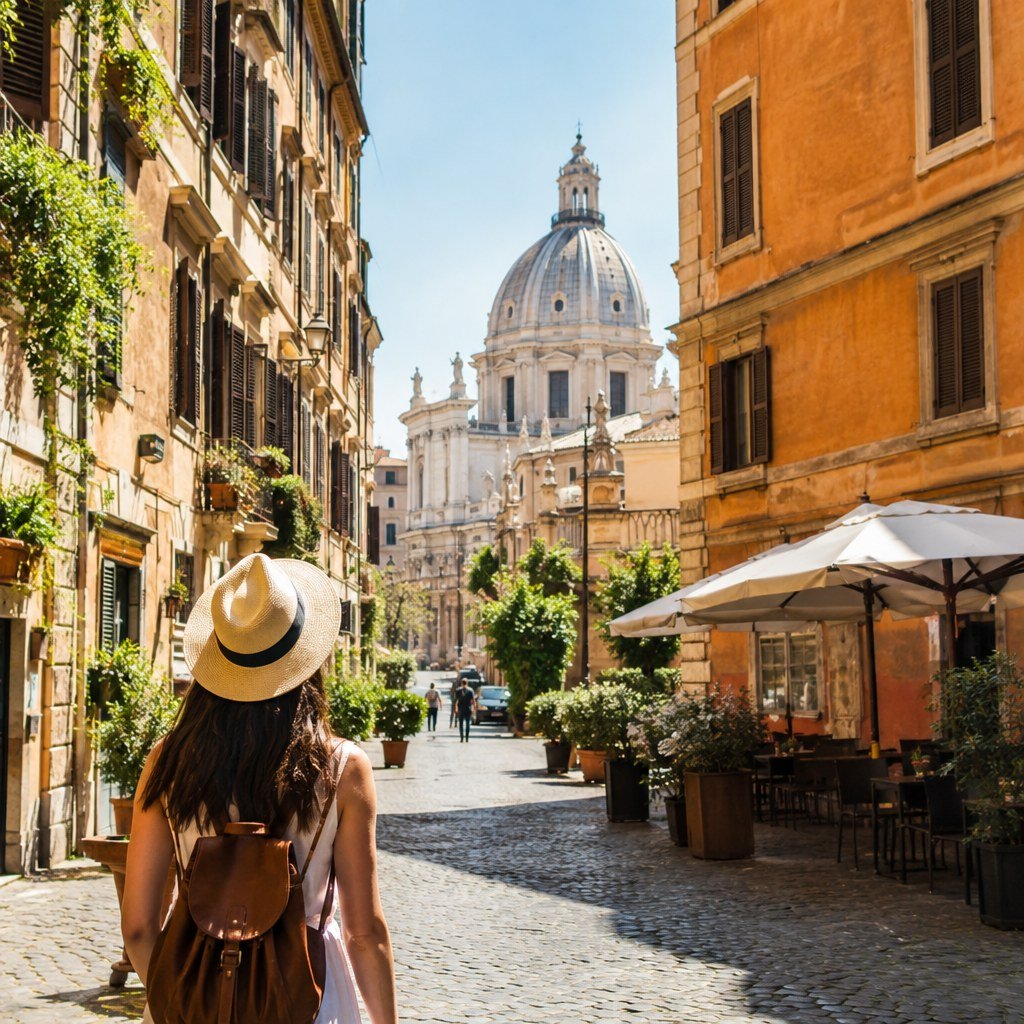
Monti: best central compromise for first-time visitors
In the Monti vs Trastevere Rome debate, Monti usually wins for a first three-day visit focused on classic sights. It sits between Termini and the Colosseum, close to the Roman Forum, Santa Maria Maggiore, and the historic center. Its lanes, small squares, wine bars, and independent shops feel distinctly Roman without placing you across the river from much of the sightseeing core.
Monti is not automatically cheap, because its location is desirable. However, guesthouses, smaller hotels, and rooms on the neighborhood edges can offer better value than addresses around the Trevi Fountain or Pantheon. Check whether the room faces a bar street, whether air conditioning is included, and how many stairs separate you from reception. Historic buildings can have compact lifts or none at all.
For a three-day itinerary, Monti works beautifully: day one for the Colosseum and Forum, day two walking through central Rome, and day three using nearby metro access for Vatican City. Travelers who value evening strolls but do not want Trastevere’s late-night noise should put Monti high on their shortlist.
Prati: calmer streets and practical Vatican access
Prati budget hotels deserve attention from visitors who prefer orderly streets, everyday shops, and a less tourist-saturated evening atmosphere. The neighborhood lies near Vatican City and Castel Sant’Angelo, with Metro Line A serving the broader area. It can be a sensible choice for families, older travelers, or anyone booking a morning Vatican Museums visit.
The compromise is location relative to ancient Rome. You can walk to Piazza Navona and the historic center, but the Colosseum and Forum require more time than from Monti or Termini. Check the exact address rather than relying on the Prati label: a room near a metro stop may save substantial energy, while one farther west can make daily sightseeing less convenient.
Prati is also useful for groups needing larger rooms or apartments. A quieter base can make shared travel easier, especially when children need downtime. Compare final cleaning charges, bedding arrangements, elevator access, and kitchen claims before assuming an apartment is cheaper than two hotel rooms.
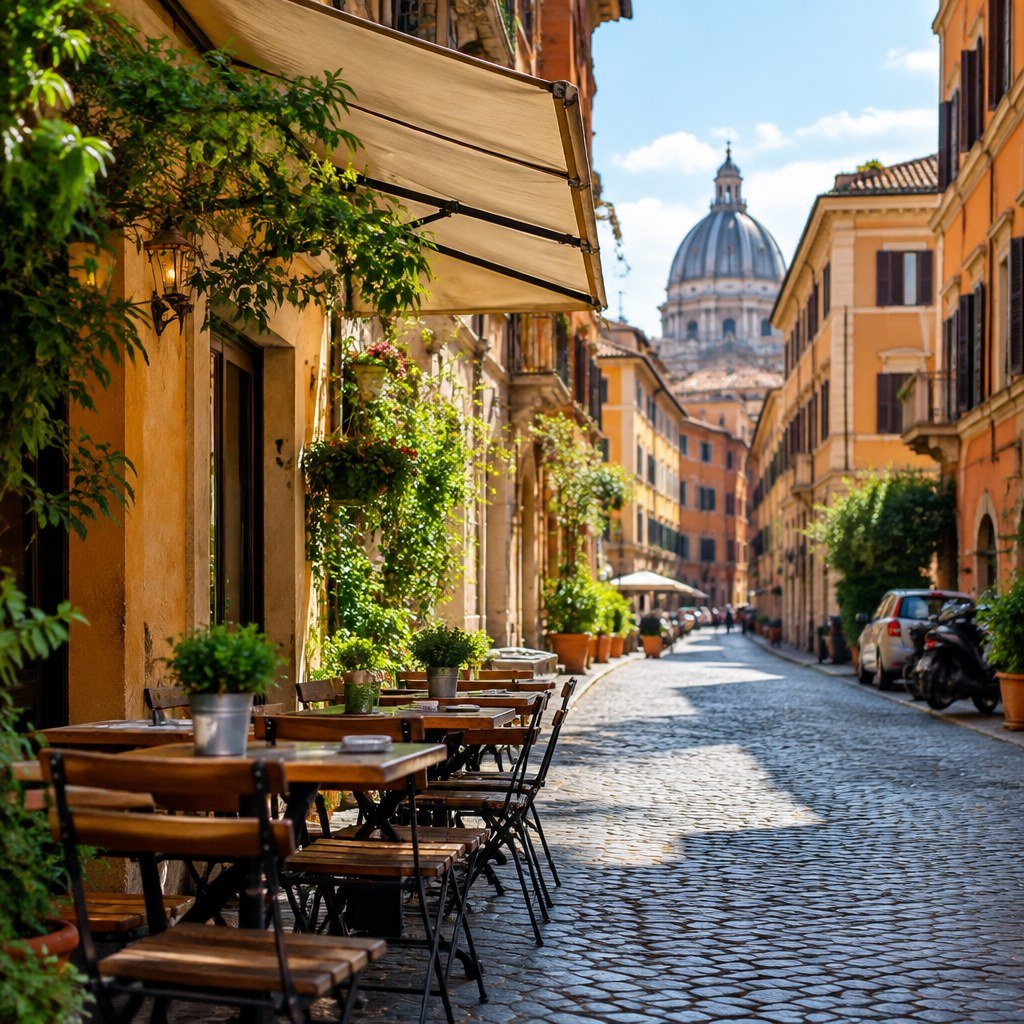
Trastevere and Testaccio: food, atmosphere, and trade-offs
Trastevere is memorable for ivy-covered lanes, restaurants, and lively piazzas. It is a strong choice if evening dining and wandering matter as much as museum efficiency. Yet cheap Rome accommodation here can be inconsistent because popular streets command a premium, and late noise may travel through older buildings. Ask about soundproofing, courtyard-facing rooms, and the distance to tram or bus stops.
Without a central metro station, Trastevere rewards travelers comfortable walking, using trams, or taking buses. It is easy to reach Campo de’ Fiori and the riverfront on foot, but returning from the Vatican or Termini may take more planning. It suits couples, nightlife-oriented friends, and repeat visitors better than travelers attempting an aggressively scheduled first visit.
Testaccio provides a more grounded alternative. Known for traditional food culture and a residential mood, it can offer better value than the historic center while remaining reasonably connected. It is especially appealing if you want markets, restaurants, and evenings away from the busiest tourist lanes. Review the exact transit route, because convenience varies across the neighborhood.
How to find cheap Rome accommodation without false savings
Start searching early for busy travel periods, then compare flexible and non-refundable rates only after deciding how firm your plans are. Use a map view, read recent reviews for cleanliness and street noise, and filter for the features you actually need: private bathroom, lift, air conditioning, luggage storage, or a late check-in option. For more general strategies, see this guide to finding cheap accommodation.
- Check the final total, not the headline room rate.
- Confirm whether breakfast, air conditioning, and luggage storage cost extra.
- Read the arrival instructions if landing late or reaching Rome by train after dark.
- Look up current routes on ATAC before committing to an outer district.
- Check Rome’s official visitor resources at Turismo Roma for planning information.
Rome applies an overnight tourist accommodation tax that varies by lodging category. Rates and rules can change, so check official city information and your booking’s price breakdown before travel; do not assume it is included in the displayed rate.
For comparison shopping, browse suitable options on Booking and Trip, then compare location, cancellation terms, and total charges like-for-like.
Frequently asked questions
Is Termini safe enough for tourists?
Yes, many visitors stay near Termini successfully. Choose a reviewed property on a well-lit street, stay alert around the station and crowded transport, and use normal precautions with valuables. The precise street and hotel quality matter more than broad assumptions about the whole district.
What is the best area for a first three days in Rome?
Monti offers the strongest balance of walkability, atmosphere, and access to ancient Rome. Termini is better when arrival logistics or train travel matter most. Prati is a good alternative if the Vatican is central to your plans and quieter evenings are preferable.
Should I stay outside central Rome to save money?
Only if the savings remain meaningful after adding transit time and possible late-night transport. A direct metro connection can work well, but remote locations with multiple changes can make a short trip feel unnecessarily rushed.
Bottom line: choose convenience first
Pick Termini for effortless transport, Monti for a classic first stay, Prati for calm Vatican access, or Trastevere and Testaccio for food-led evenings. A central, well-reviewed room usually saves both money and time.