
The direct answer: Is the Japan Rail Pass worth it in 2026?
For most budget travelers, the Japan Rail Pass is not automatically worth it in 2026. It can save money when you take several costly long-distance trains within consecutive days, but a Tokyo, Kyoto, and Osaka trip often costs less with individual tickets, regional JR passes, and local transit cards.
The key is comparing your exact rail itinerary against the correct pass price before buying. The nationwide pass remains convenient, but convenience alone can be an expensive upgrade if your plans include only one or two Shinkansen rides.

Japan Rail Pass 2026 prices: online versus overseas agencies
The price you see depends on where you purchase. As of late October 2026, the official Japan Rail Pass website lists a seven-day Ordinary Pass at ¥50,000, while overseas travel agencies charge ¥53,000. The difference matters, especially for travelers trying to break even.
Following the October 1, 2026 overseas-agency price adjustment, the 14-day Ordinary Pass costs ¥80,000 online or ¥84,000 through overseas agencies. A 21-day Ordinary Pass costs ¥100,000 online or ¥105,000 through agencies. Do not compare an online price with an agency quote and assume they are identical.
The nationwide pass is intended for eligible foreign visitors entering Japan as temporary visitors. Review the current terms and purchase options at the official Japan Rail Pass website before paying, because eligibility, exchange procedures, and included lines can change.
JR Pass versus individual tickets: what you actually get
A nationwide pass offers broad travel on participating JR trains, including many Shinkansen, limited express, local, and rapid services. It is especially useful when your route jumps between distant regions without long hotel stays in one place.
Individual tickets provide more flexibility. You pay only for trains you ride, can choose private railways when useful, and do not feel pressure to schedule extra day trips simply to “use” an expensive pass.
Nationwide JR Pass
Best when your calendar contains several expensive intercity train rides inside seven, 14, or 21 consecutive days. Seat reservations are generally included on eligible services.
Point-to-point tickets
Best for Tokyo, Kyoto, Osaka, or other slower-paced stays. They also work well when only one major Shinkansen trip appears in your plan.
Regional JR passes
Best when you are exploring one area, such as Kansai, Kyushu, Hokkaido, or the Setouchi region, rather than crossing the country repeatedly.
One important limitation: Nozomi and Mizuho Shinkansen are not simply included with the nationwide pass. Pass holders need a special additional ticket for those services. That can reduce the pass’s appeal if your schedule depends on the fastest Tokyo–Kyoto or Osaka trains.
Use a JR Pass calculator, but check the route details
A JR Pass calculator is a useful starting point, not a final verdict. Add every long-distance JR journey you truly expect to take, then compare that total with the exact online or overseas-agency pass price available to you.
For a simple Tokyo–Kyoto–Osaka itinerary, the main paid rail segment may be Tokyo to Kyoto, with a short local transfer onward to Osaka. That usually leaves a large gap between point-to-point spending and a seven-day nationwide pass.
A Tokyo–Osaka–Hiroshima–Kyoto itinerary is different. Multiple long Shinkansen legs can bring the total much closer to the pass cost. The answer still depends on train type, seating choice, travel dates, and whether you return to Tokyo during the pass period.

A practical break-even method
- Write down every intercity train ride, including airport transfers only if they use an included JR service.
- Check current fares and routing directly with JR operators or reliable official journey-planning tools.
- Add reserved-seat supplements if you would normally choose reserved seating.
- Separate private railways, subways, buses, and attraction transport; they may not be covered.
- Compare the total with the correct pass price, then add a small value for convenience only if it matters to you.
Use official guidance from JNTO’s rail travel guide to understand the network, and consult the JR Central price release for the stated 2026 pricing context. Fares and service rules should always be rechecked close to departure.
When regional JR passes are the smarter budget choice
Regional JR passes often solve the biggest problem with the nationwide pass: paying for coverage you will not use. They can be compelling if you fly into Osaka and stay around Kansai, tour Kyushu, or focus on northern Japan instead of crisscrossing the country.
For example, a Kansai-based traveler may use regular tickets for Tokyo to Kyoto, then consider a local regional pass for day trips to Nara, Himeji, Kobe, or Wakayama. A Kyushu itinerary may benefit from a regional pass if it includes several longer rides across the island.
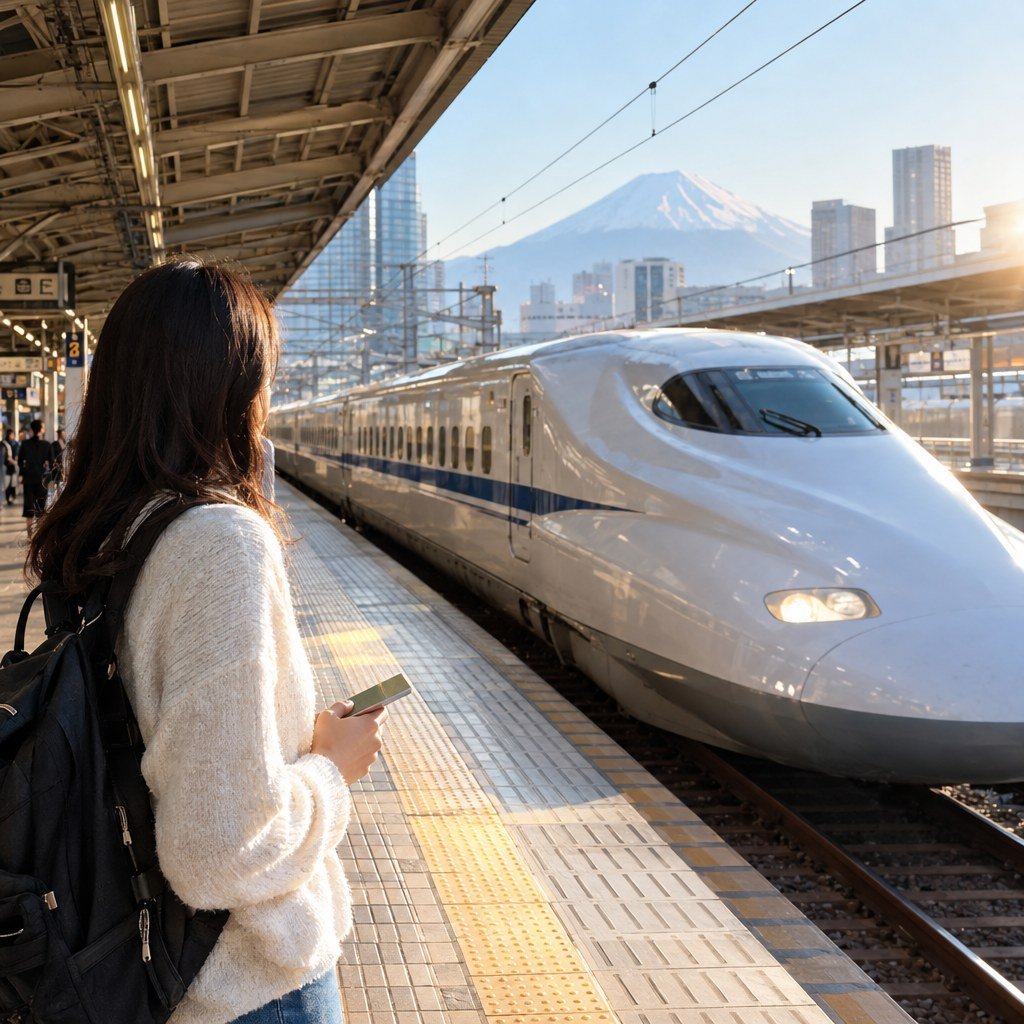
Read each regional pass’s map carefully. “JR” does not mean every train, subway, airport line, ferry, or private railway is included. Airport access is a common source of confusion: some airport routes are JR-operated, while others require a separate ticket or use a different company.
Families should also compare pace, not only price. A pass can make spontaneous day trips easier, but changing hotels every night may cost more in luggage forwarding, meals, and energy than the rail savings are worth. Our Japan family itinerary on a budget can help you build a calmer route.
How to buy tickets without wasting time or money
Buying individual tickets is less intimidating than it sounds. Major stations have staffed ticket offices, ticket machines with English options, and online booking channels from relevant JR companies. For simple local journeys, an IC card is usually more practical than stopping at a machine for every ride.
For Shinkansen travel, reserve seats when your train is likely to be busy, when you want certainty, or when traveling with oversized baggage. Otherwise, compare reserved and non-reserved options based on your comfort level and schedule.

Keep your transit budget separate from activities. A rail pass does not reduce museum, food, or tour costs. If you need a convenient place to compare tours after finalizing transport, Klook’s Japan activities listings can be a useful planning option.
Also, book flights before forcing a rail route around a pass. A low-cost open-jaw flight can eliminate a costly return journey. See our tips to find cheap flights anywhere for ways to compare arrival and departure cities.
Make the pass earn its place in your budget
List your real train rides, price them individually, and choose the pass only when the savings or simplicity are clear.
Japan Rail Pass 2026 FAQ
Is the seven-day Japan Rail Pass worth it for Tokyo, Kyoto, and Osaka?
Usually not. One Tokyo-to-Kyoto Shinkansen journey plus local travel rarely reaches the ¥50,000 official online seven-day pass price. Individual tickets are generally more economical unless you add several substantial long-distance day trips.
Can I ride Nozomi or Mizuho with the nationwide JR Pass?
Yes, but you need a special additional ticket. Without it, choose eligible Shinkansen services covered by the pass. Check current rules when planning because train access and supplements affect the real value calculation.
Are airport trains included?
Some JR-operated airport services may be included, but not all airport transport is JR. Private railways, subways, airport buses, and many local connections require separate payment. Confirm the operator before counting an airport transfer in your calculator.
Should I buy online or through an overseas agency?
Compare the total price and purchase terms. In October 2026, official online nationwide pass prices are lower than the stated overseas-agency prices, but your preferred purchase method may still depend on payment options and trip logistics.
Final checklist before you buy
- Confirm you qualify as an eligible temporary visitor.
- Price every realistic long-distance rail leg, not wish-list excursions.
- Compare tickets with the correct online or overseas-agency pass price.
- Check Nozomi or Mizuho supplement requirements.
- Review regional passes before buying nationwide coverage.
- Keep private railways, local transit, and airport transfers separate.
Bottom line: The Japan Rail Pass is worth it in 2026 for fast-moving, long-distance itineraries, not as a default purchase. Let your actual route decide. Last updated: October 23, 2026.