
How much does a trip to Japan cost?
A realistic trip to Japan cost for one American traveler is roughly $2,600 for 7 days, $3,350 for 10 days, or $4,300 for 14 days, including a hypothetical $1,100 round-trip flight from the United States. Those totals assume a comfortable budget style: simple private lodging, inexpensive local meals, a few paid attractions, public transit, and a 15% contingency fund.
Japan can be surprisingly manageable when you plan city changes carefully. Your biggest variables are airfare, hotel location, the number of nights in Tokyo and Kyoto, and whether long-distance train travel actually justifies a rail pass.
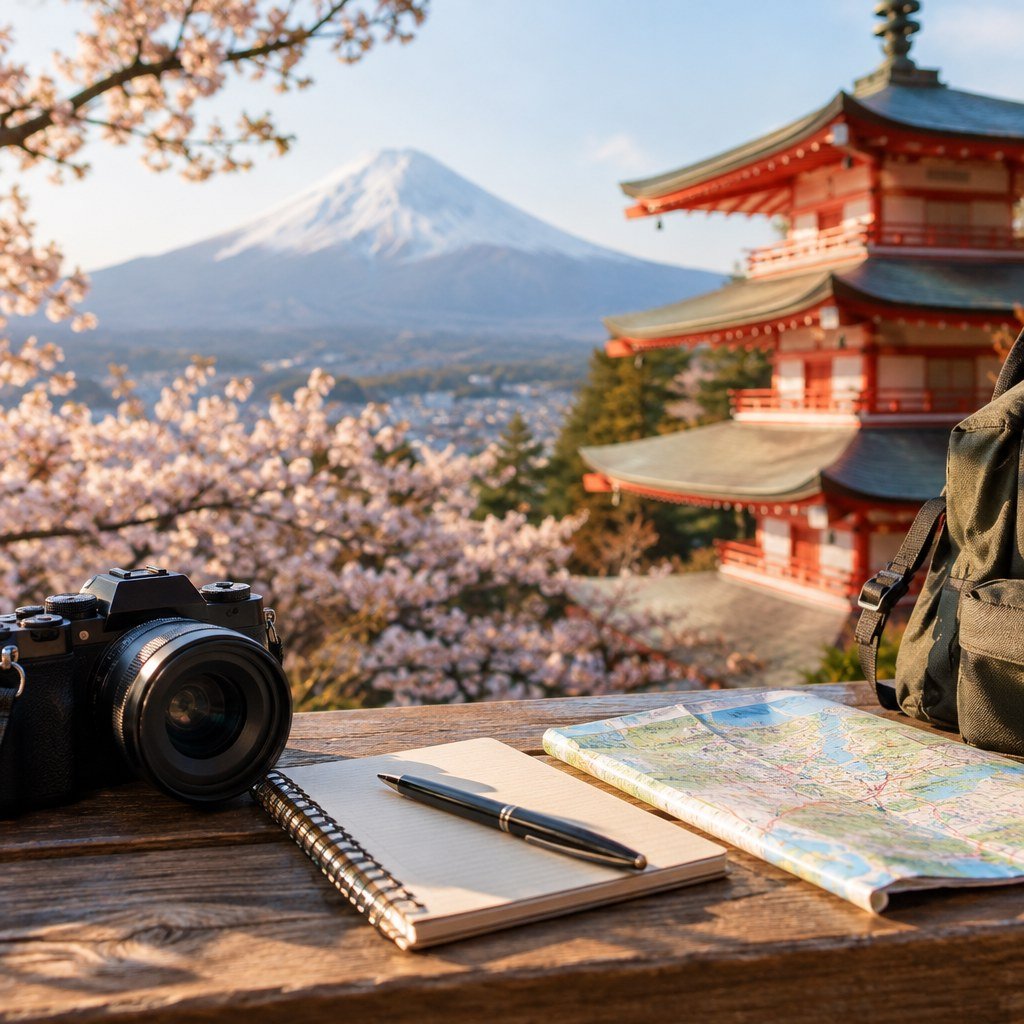
Sample trip to Japan cost: 7, 10, and 14 days
These examples use a solo traveler’s budget with seven travel days and six hotel nights, 10 days and nine nights, or 14 days and 13 nights. The lodging figure assumes an average of $105 per night for a well-reviewed budget hotel, compact business hotel, or private hostel room. Sharing a double room can materially reduce the per-person number.
The itinerary model is Tokyo, Kyoto, and Osaka. It includes one or two intercity bullet-train journeys, ordinary subway and local rail use, casual restaurants, convenience-store breakfasts, and selected experiences rather than a packed schedule of expensive tours.
Exclude international airfare and the sample land costs are about $1,540, $2,240, and $3,200 respectively. Travel insurance, checked-bag charges, shopping, alcohol, ski trips, theme parks, and premium ryokan stays should be separate budget lines.
What drives a Japan travel budget?
Lodging is the easiest category to control
Tokyo and Kyoto are usually the costly stops, especially around popular stations and peak holiday periods. Stay one or two stops outside the busiest core, but near a rail line, to balance time and price. A small room is normal in Japan; prioritize location, luggage storage, laundry, and a clear cancellation policy over floor space.
For a practical search, compare several neighborhoods and dates before committing. Compare Japan accommodation options on Booking.com after checking the total price, taxes, and room occupancy rather than the nightly headline alone.
Food can be excellent without being expensive
A $45 daily food allowance can cover convenience-store breakfast, a ramen, curry, soba, or set-lunch meal, and one casual dinner. Department-store basements, neighborhood bakeries, standing sushi counters, and supermarkets near closing can stretch it further. A splurge omakase dinner, cocktails, or specialty coffee every day changes the math quickly.
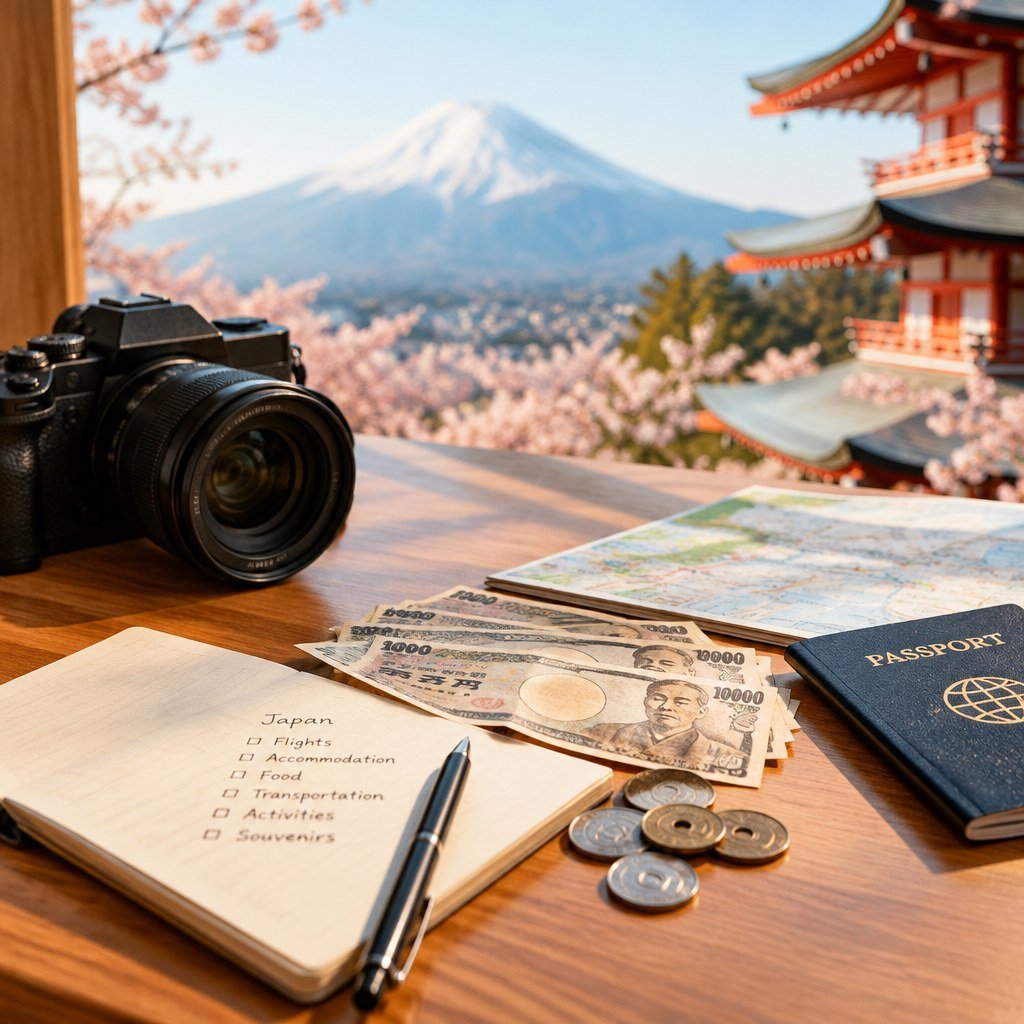
Transit rewards slower, simpler itineraries
Local transport costs stay reasonable if you group sights by neighborhood and walk between nearby stops. Load an IC card for subways, buses, and many convenience-store purchases. Airport transfers, luggage forwarding, and taxis after the last train deserve their own small cushion.
Before departure, consult Japan National Tourism Organization resources for practical arrival and destination guidance. Official sources are more reliable than old social posts for operational details.
When a JR Pass helps—and when it often does not
Do not automatically buy a nationwide Japan Rail Pass. Since its price increase, many Tokyo–Kyoto–Osaka itineraries cost less when travelers buy individual shinkansen tickets and local transit separately. A pass can still make sense when you combine several expensive long-distance journeys inside its validity window, such as Tokyo to Hiroshima, then Kyushu or northern Japan.
Start with your exact route, not your wish list. Check official pass conditions and current information through JR’s Japan Rail Pass site, then compare those costs with point-to-point fares. Also confirm which train categories and seat reservations are included before purchasing.
Buy separate tickets
Best for Tokyo, Kyoto, Osaka, and a modest day-trip plan. Fewer long rides usually mean better value.
Consider a pass
Useful only after a fare comparison shows repeated long-distance rail travel will exceed the pass cost.
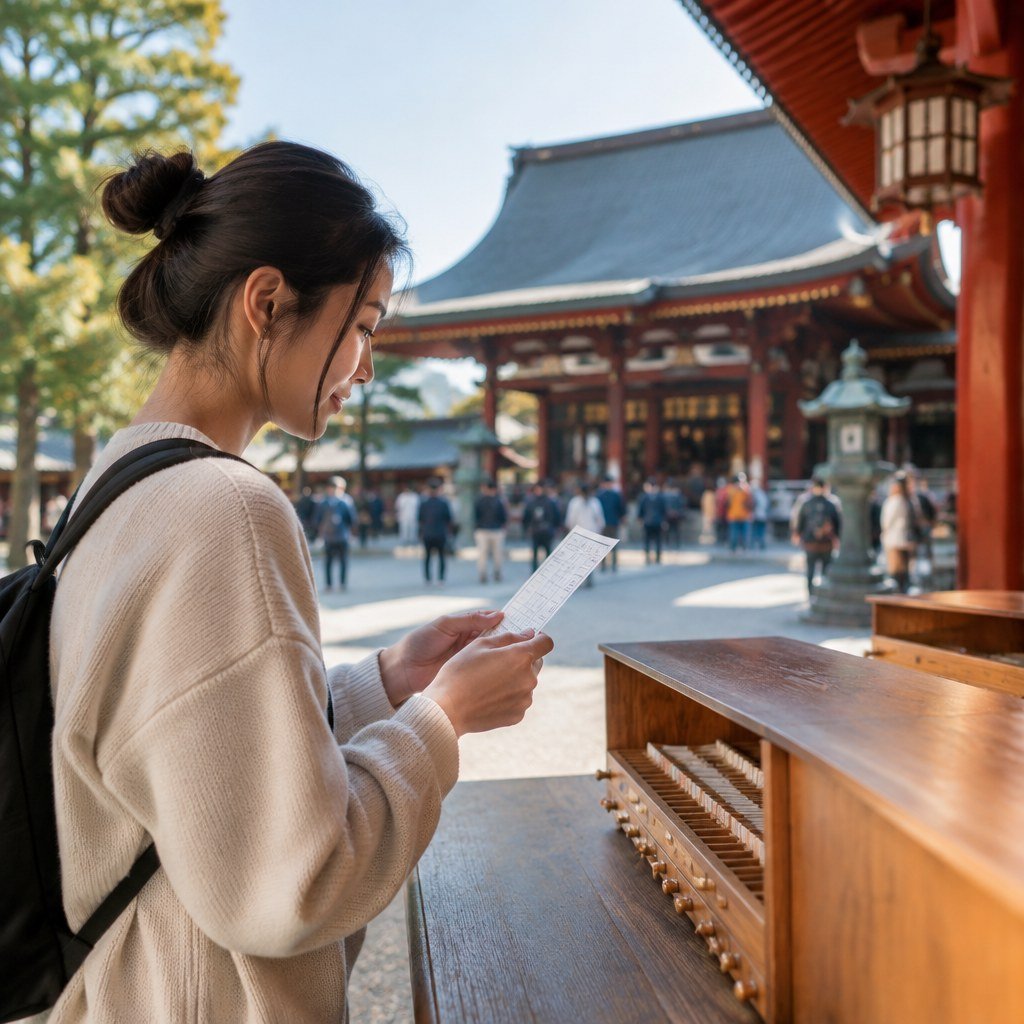
How to spend less without making the trip feel cheap
The cheapest time to visit Japan is not a single guaranteed period, because weather, school breaks, festivals, and flight demand vary. Generally, avoid cherry-blossom weeks, Golden Week, Obon, and year-end holidays if savings matter. Shoulder-season dates can offer better availability, but always compare the complete trip price, not flights alone.
- Choose fewer bases. Three cities in 10 days is comfortable; changing hotels every two nights adds transport costs and lost time.
- Fly into one city and out of another. An open-jaw itinerary can prevent an expensive return train to Tokyo.
- Book a room near transit. A cheaper remote hotel can create daily fare and time costs that erase the saving.
- Mix free and paid attractions. Temples, gardens, markets, viewpoints, and neighborhood walks can anchor a rewarding day.
- Use a real buffer. Set aside 10% to 15% for exchange-rate movement, reservations, snacks, and inevitable last-minute choices.
For airfare strategy, see Top 12 Tips to Find Cheap Flights Anywhere. For a broader framework that includes irregular expenses, use How to Plan a Travel Budget.
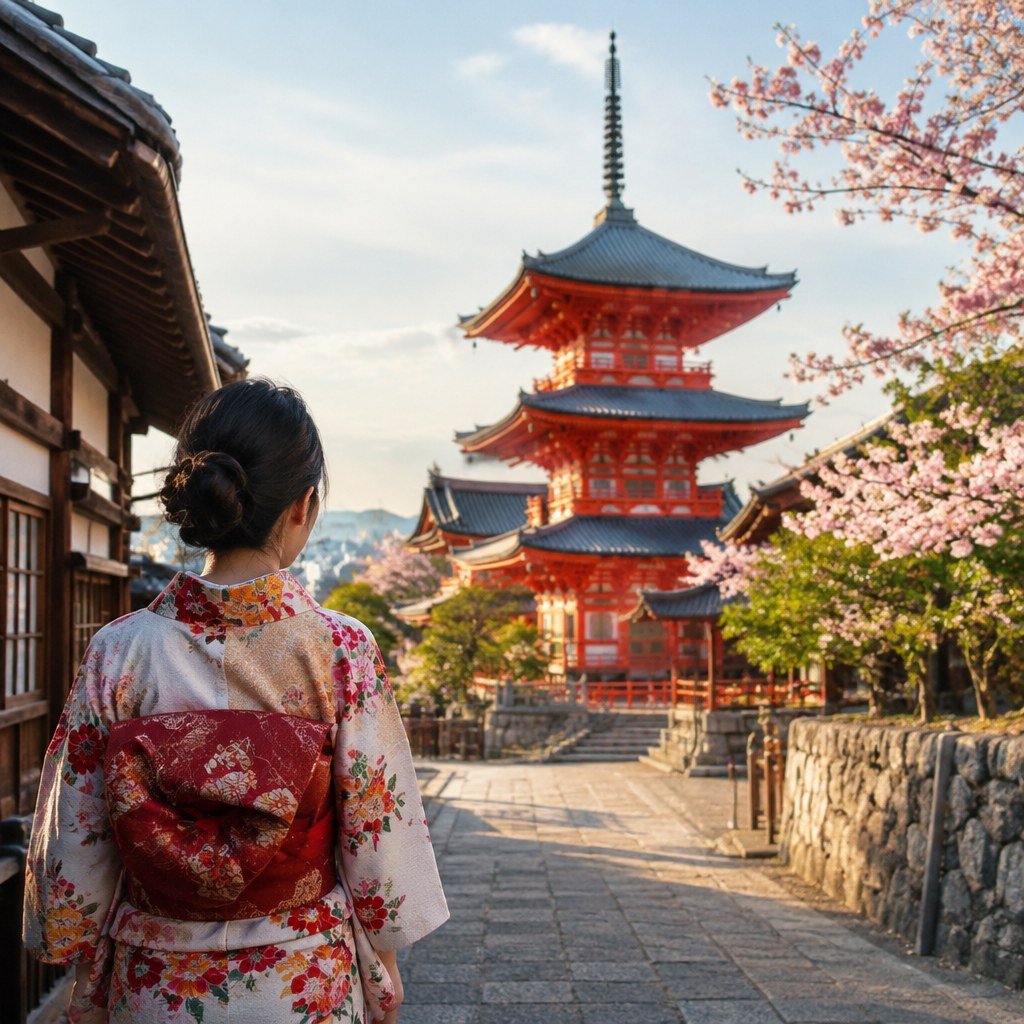
Quick decision guide: is 7, 10, or 14 days best?
Choose seven days if Japan is one stop in a longer Asia trip or you want Tokyo plus Kyoto/Osaka without trying to see everything. Keep the route tight and skip overnight side trips.
Choose 10 days for the best first-time balance. It gives Tokyo, Kyoto, Osaka, and one or two day trips enough breathing room while keeping lodging costs contained. For many travelers, this is the strongest value.
Choose 14 days if you want a slower Tokyo Kyoto Osaka budget, regional detours, or a mix of cities and countryside. The daily airfare cost falls as the trip gets longer, but hotels and meals still rise every day.
Families should budget differently for rooms and attraction tickets. Our Japan Family Itinerary on a Budget can help you build a child-friendly route before pricing it.
Build your Japan budget before booking
Price your flights, count hotel nights, map every intercity train, then add a 10% to 15% reserve.
Japan trip cost FAQs
Is $3,000 enough for a 10-day trip to Japan?
It can be, particularly with a favorable flight price, shared lodging, simple meals, and limited paid tours. Using the sample budget above, $3,000 is tight for a solo traveler if airfare alone reaches $1,100, so reduce hotel costs first and keep the itinerary compact.
How much spending money should I bring to Japan?
After prepaid flights and hotels, a budget traveler might plan roughly $80 to $130 per day for food, local transportation, admissions, and small purchases. Carry some yen for small businesses, but use a fee-conscious debit or credit card where accepted.
What costs do travelers commonly forget?
Airport transfers, eSIM service, luggage fees, travel insurance, city taxes, locker fees, laundry, snack stops, and international card charges are easy to miss. Add them before deciding that a quoted hotel-and-flight package is truly cheaper.
Bottom line: A carefully planned Japan trip does not require luxury spending. Pick a realistic trip length, limit hotel moves, compare train tickets instead of assuming a pass is cheapest, and protect your plan with a buffer. Last updated: October 23, 2026.