
Where to Stay in Tokyo on a Budget: The Short Answer
If you are wondering where to stay in Tokyo on a budget, start with Asakusa or Ueno for the best balance of lower-priced hotels, straightforward transit, local food, and first-time sightseeing. Choose Ikebukuro for practical west-side connections, Shinjuku only if nightlife matters enough to justify a smaller room or longer walk, and Kanda for a quieter, central business-district base.
For most American travelers, the smartest money-saving move is not the cheapest headline rate: it is a clean, well-reviewed hotel within an easy walk of the right station, with a cancellation policy and room size that fit the trip.
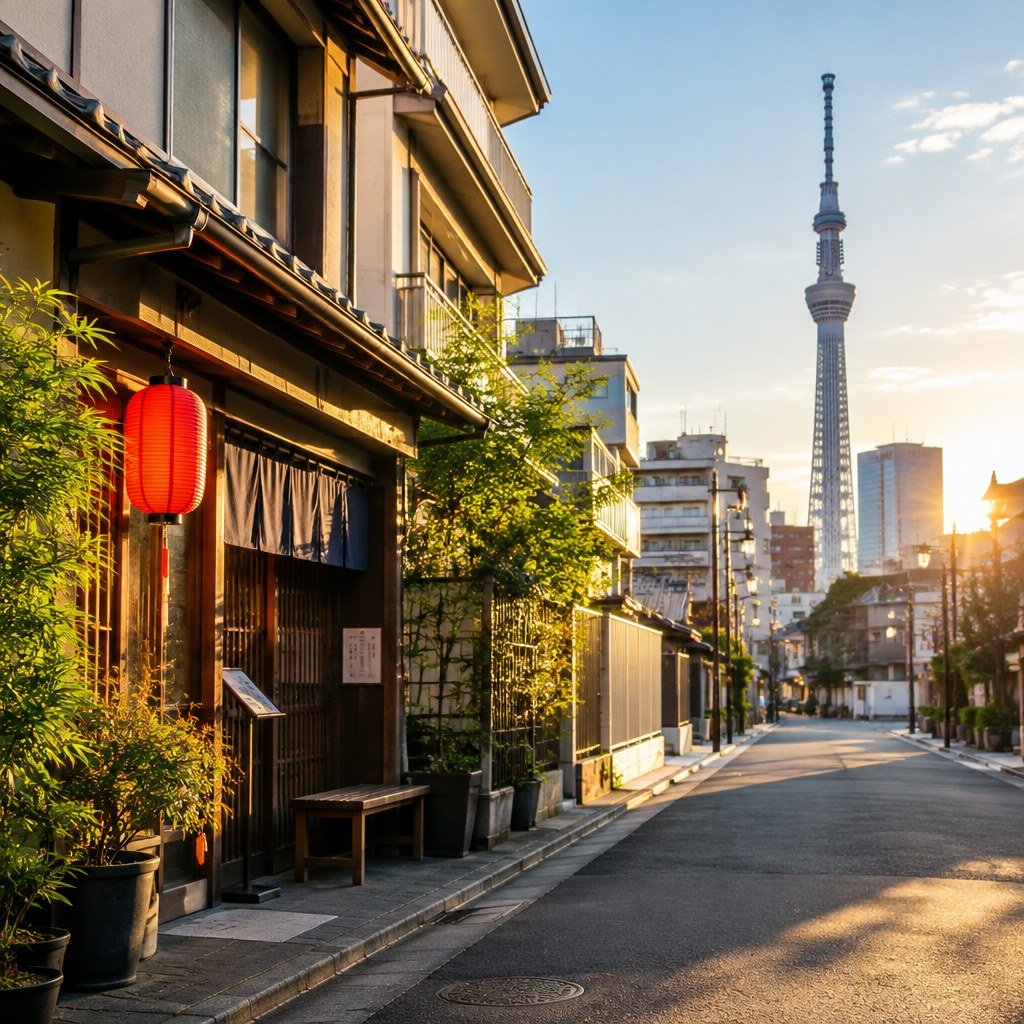
Best Tokyo Areas for Budget Travelers Compared
Tokyo’s neighborhoods have different strengths, and “central” does not always mean convenient. A hotel near a station with several lines can save time, but a bargain room far down a confusing corridor can create daily friction. Use this comparison as a planning tool rather than a promise of price or travel time.
Asakusa vs Ueno Hotels, Plus Three Strong Alternatives
Asakusa: best for a relaxed first Tokyo visit
Asakusa is often the easiest answer for families, couples, and travelers who want Tokyo to feel manageable from the moment they step outside. Senso-ji, the Sumida riverside, casual restaurants, and compact streets give the area a more traditional rhythm than major terminal districts.
Look near Asakusa Station, but confirm which Asakusa Station appears on the map. Several operators use the name, and a hotel’s stated walking distance may be to a less useful entrance. The Ginza Line is especially handy for Ueno, Ginza, and Shibuya-bound connections.
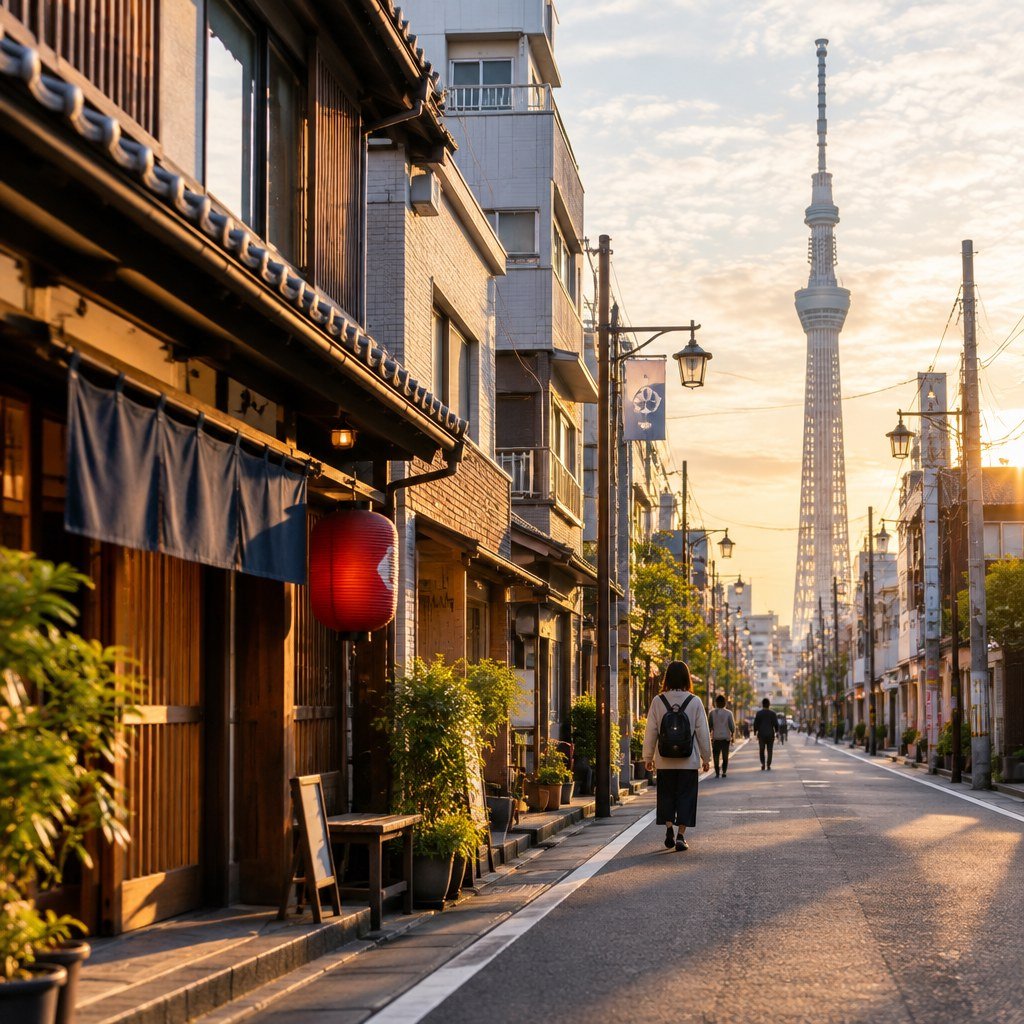
Ueno: best all-around value and transport
Ueno is a practical favorite for cheap hotels Tokyo searches because it combines several train and subway options with museums, Ameyoko market, casual dining, and access toward Narita via Keisei Ueno. It is particularly useful when arrival or departure logistics matter.
Choose the Ueno side for JR connections or the quieter Okachimachi edge if a hotel there is noticeably better value. Ueno Park is pleasant, but rooms facing major roads or rail lines may have more ambient noise than a listing suggests.
Shinjuku: best for nightlife, not always the cheapest bed
Shinjuku budget accommodation exists, especially in compact business hotels, capsule hotels, and properties a stop or two away. Still, compare the full cost carefully. The station is enormous, nightlife can be loud, and a hotel described as “near Shinjuku” may be a substantial walk from the platforms.
Stay here if you want late dinners, easy access to the west-side railways, or a base for Hakone and other day trips. Families and light sleepers may prefer west Shinjuku, Shinjuku Gyoenmae, or a different district entirely.
Ikebukuro and Kanda: sensible alternatives
Ikebukuro can offer stronger value than Shinjuku while retaining major stores, restaurants, and multiple subway lines. It suits travelers combining Shibuya, Shinjuku, and anime or shopping stops, though its station can also feel overwhelming at rush hour.
Kanda is less glamorous but extremely useful. It sits close to Tokyo Station, Akihabara, and the Yamanote Line, with business hotels and neighborhood eateries. For a short sightseeing trip, that central efficiency can outweigh the lack of big-ticket nightlife.
How to Find Affordable Hotels in Tokyo Without Bad Surprises
Use a sub-$100 nightly filter only as a sample search threshold, not a guarantee. Tokyo prices change with season, weekends, holidays, room occupancy, booking timing, and cancellation terms. A room that looks inexpensive can become poor value after required charges or a restrictive policy.
- Set the map first. Search within a comfortable walk of the station you will actually use, not merely the neighborhood label.
- Compare total stay cost. Check taxes, service charges, breakfast, city or accommodation taxes where applicable, and whether payment is collected now or later.
- Read the room dimensions. A double room may be compact, with little floor space for two open suitcases. Families should verify bed configuration, not just guest count.
- Check cancellation wording. “Free cancellation” has a deadline. Nonrefundable deals can be worthwhile only when your dates are firm.
- Examine the route. Street View, station exits, and a late-night arrival simulation often reveal stairs, long crossings, or confusing transfers.
For a simple search workflow, compare refundable options on Booking.com and Trip.com, then read the final room and payment details before booking. Our guide to finding cheap accommodation explains how to compare deals without focusing only on the first displayed price.
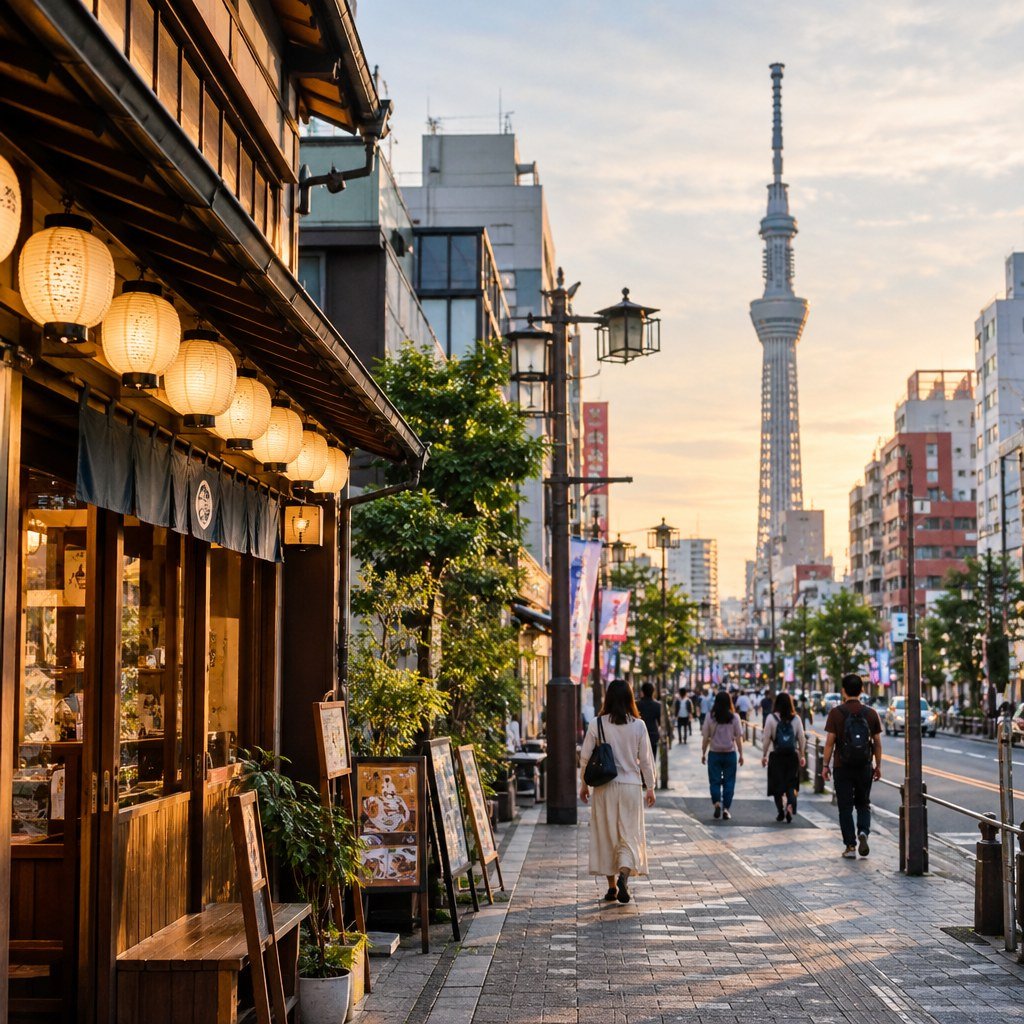
Also check which transit systems your pass covers. JR passes do not automatically cover Tokyo Metro, Toei Subway, private railways, airport lines, or every transfer. An IC card is often simpler for city travel, while a rail pass should be chosen for the broader itinerary, not just because a hotel sits near a JR station.
Quick Decision Guide for Four-Day and Seven-Day Tokyo Trips
For a four-day first visit, book Asakusa or Ueno. They make it easy to group eastern sights such as Senso-ji, Ueno Park, Akihabara, Ginza, and Tsukiji-area visits, while still allowing one or two cross-city trips to Shibuya, Harajuku, or Shinjuku.
For a seven-day stay, Ueno, Kanda, or Ikebukuro are especially flexible. More days make neighborhood variety and day-trip connections more valuable, so choose a base with simple transfers rather than paying extra to stay beside one attraction.
Choose Asakusa
Pick it for traditional sights, calmer nights, and families who value a walkable neighborhood over late-night clubs.
Choose Ueno
Pick it for airport practicality, museums, broad rail access, and a dependable first-time visitor base.
Choose Shinjuku or Ikebukuro
Choose these for nightlife, west Tokyo, shopping, and day trips—while accepting bigger stations and possible price premiums.
Frequently Asked Questions
What is the cheapest good area to stay in Tokyo?
There is no permanent cheapest area, but Asakusa, Ueno, and parts of Ikebukuro frequently give budget travelers better options than central Shinjuku or Shibuya. Compare total costs across several dates and include the time cost of transfers.
Is Asakusa or Ueno better for first-time visitors?
Choose Asakusa for atmosphere, temple access, and a gentler pace. Choose Ueno for broader rail connections, museums, and a more convenient route if airport access is a priority. Both are strong choices for first-time visitors.
Should families stay in Shinjuku?
They can, particularly near west Shinjuku or Shinjuku Gyoen, but room size and noise deserve extra attention. Asakusa and Ueno are usually easier for families seeking a calmer evening and less intimidating station navigation. For more planning help, see our Japan family itinerary on a budget.
Where can I plan routes and current attractions?
Use the official Japan National Tourism Organization and Tokyo Metropolitan Government tourism site for current planning information, seasonal ideas, and transportation guidance.
Book the Area That Fits Your Actual Trip
Start with Asakusa or Ueno, compare total room costs, then choose the hotel with the easiest daily route—not simply the lowest displayed rate.
Bottom line: Asakusa and Ueno are the best Tokyo areas for most budget travelers; Shinjuku, Ikebukuro, and Kanda work when their specific strengths match your plans. Last updated: October 2026. Verify final hotel policies, station routes, and transit coverage before paying.